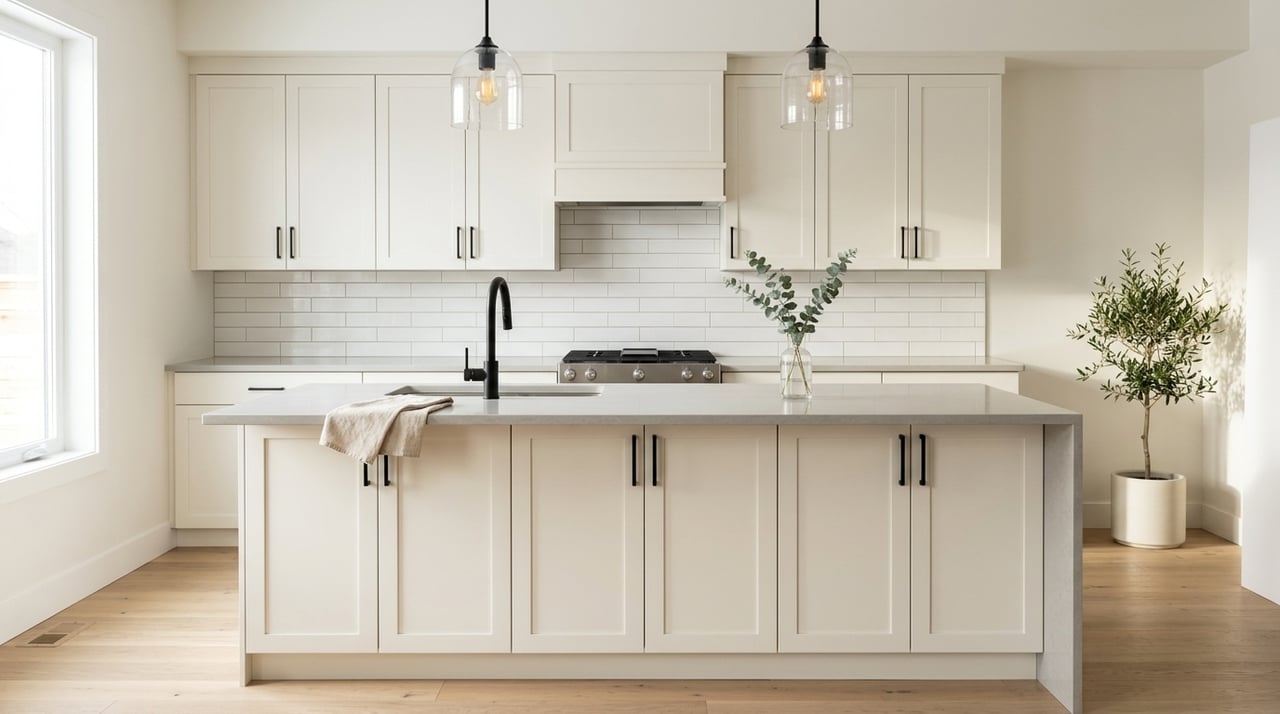
If you are thinking about selling your Windsor home, the biggest wins often come from the smallest, most visible updates. In a market where buyers move quickly but still care deeply about condition, it is easy to overspend on the wrong projects or miss simple fixes that shape first impressions. The good news is that you do not need a full remodel to make your home more compelling. You need a smart plan that prioritizes what buyers notice first and what helps your home show as well cared for. Let’s dive in.
Why prep matters in Windsor
Windsor remains a competitive seller market. Recent market data shows median sale prices above $800,000, homes moving in a matter of weeks, and sale-to-list ratios around asking price or slightly above.
That does not mean every home sells the same way. Buyers may act fast, but they are also less willing to compromise on condition. That makes pre-listing prep especially important if you want strong photos, smoother showings, and fewer objections once buyers start comparing your home to other available options.
Start with curb appeal
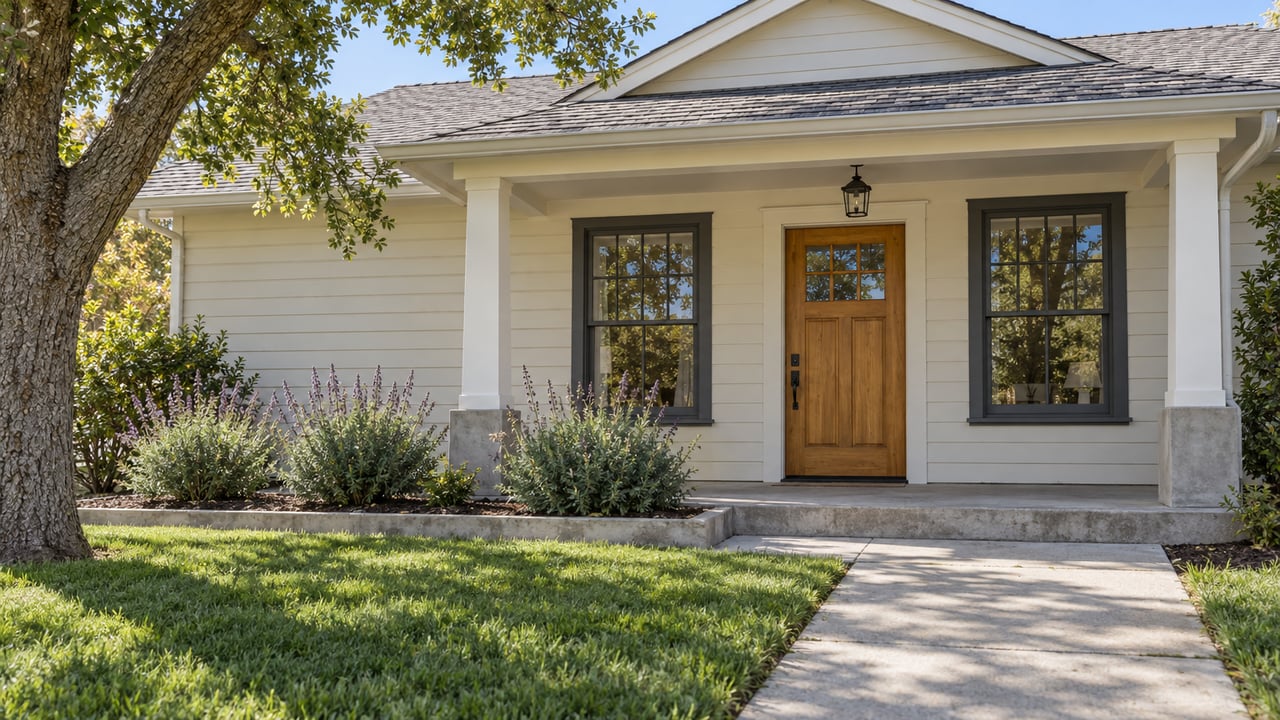
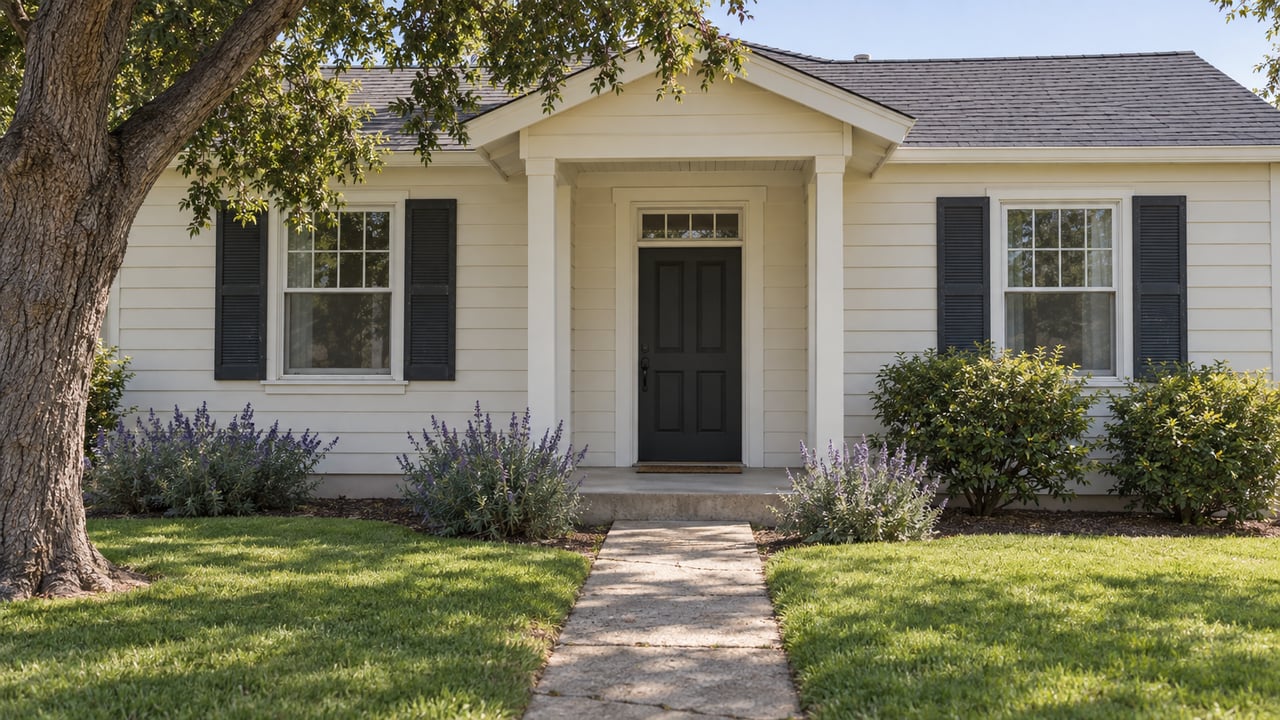
If you only have the budget or time for a few updates, start outside. Curb appeal consistently ranks as one of the most important pre-listing tasks, and the strongest returns often come from simple exterior work rather than major landscaping projects.
For many Windsor sellers, that means focusing on clean, tidy, visible improvements. A fresh and well-kept exterior helps buyers feel positive before they even step through the front door.
Exterior updates worth doing
Consider simple projects like:
- Lawn care and edging
- Landscape maintenance
- Fresh mulch in planting beds
- Pressure washing walkways, siding, and patios
- Trimming shrubs and trees
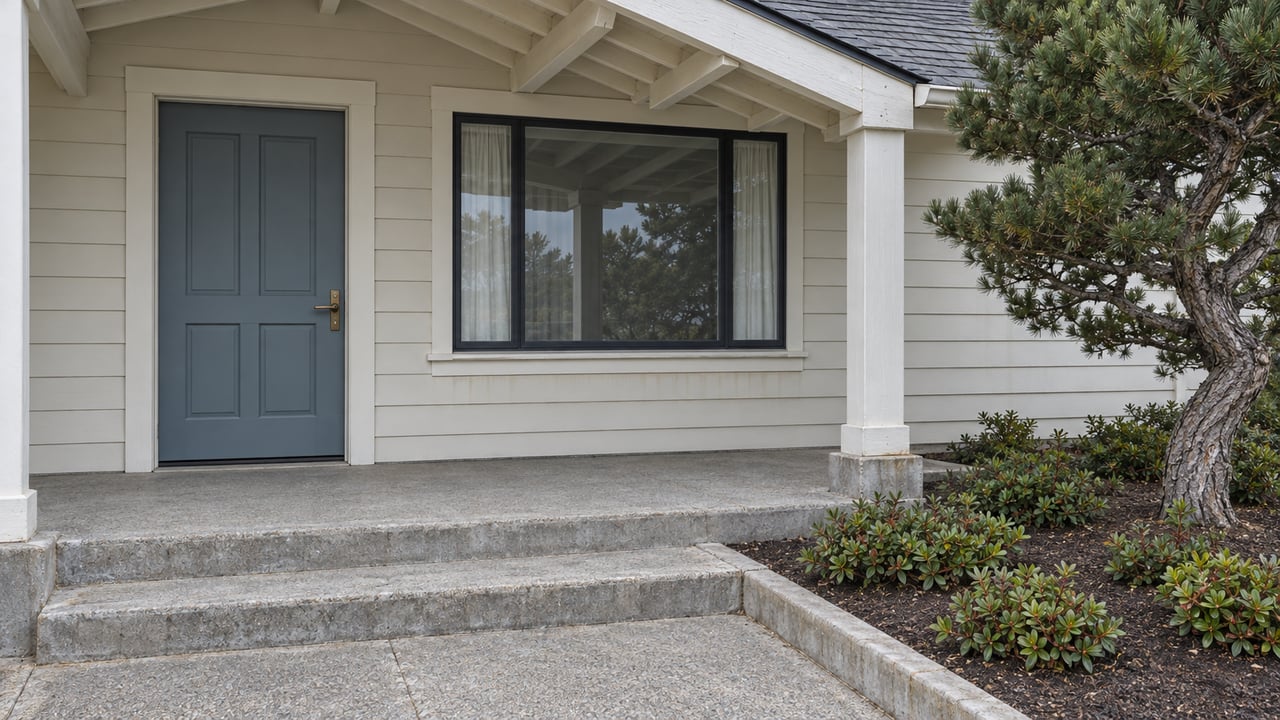
- Cleaning or refreshing the front entry
- Repainting or replacing the front door if needed
Research on outdoor projects shows strong cost recovery for standard lawn care, landscape maintenance, and overall landscape upgrades. Front door replacements also perform well, especially when the entry looks clean and current.
What to skip outside
In most cases, you do not need a dramatic yard transformation. A major outdoor rebuild may cost more, take longer, and add complexity without improving your launch timeline.
Instead, aim for a polished, easy-to-maintain look. Buyers respond well to outdoor spaces that feel cared for, usable, and photo-ready.
Refresh kitchens and baths
Kitchens and bathrooms still matter, but that does not automatically mean you should plan a full renovation. National remodeling data suggests that minor or moderate kitchen updates and practical bathroom improvements often make more sense than expensive custom overhauls.
For a Windsor home that will hit the market in the next 6 to 12 months, the sweet spot is usually clean, current, and functional. Buyers want rooms that feel fresh and move-in ready, even if every finish is not brand new.
Kitchen updates that move the needle
Focus on updates that improve presentation without turning into a major construction project:
- Repainting walls in a neutral tone
- Updating cabinet hardware
- Refinishing or repainting worn cabinets
- Replacing dated light fixtures
- Deep-cleaning surfaces, grout, and appliances
- Repairing obvious wear or damage
- Clearing counters for photos and showings
A kitchen does not need to feel luxury-custom to perform well. It needs to feel bright, maintained, and easy for a buyer to imagine using.
Bathroom updates that help
Bathrooms benefit from the same approach. Prioritize visible improvements and basic function first.
That can include:
- Fresh paint
- Recaulking tubs and showers
- Replacing worn mirrors or light fixtures
- Updating faucets or hardware
- Repairing leaks or slow drains
- Deep-cleaning tile and glass
These changes can make a bathroom feel cleaner and more current without the cost and disruption of a full remodel.
Fix what buyers notice right away
Some of the most important pre-listing updates are not glamorous at all. They are the small repairs and finish items that show up in listing photos, in person, or during inspections.
When buyers see worn flooring, chipped paint, or obvious maintenance issues, they often assume there may be bigger hidden problems too. In a market where buyers are less willing to compromise on condition, that can weaken your momentum.
High-priority interior updates
Before listing, pay close attention to:
- Interior paint touch-ups or full repainting where needed
- Floor repair or replacement
- Carpet cleaning or replacement
- Deep-cleaning throughout the home
- Decluttering and depersonalizing
- Plumbing repairs
- Electrical fixes
- Pest control, if needed
These are the kinds of updates that support a strong first impression and help your home read as well maintained. They also make staging and photography more effective.
Prioritize by impact, not emotion
It is easy to overinvest in the room you always wanted to change. But the best pre-listing strategy is usually not about personal taste. It is about choosing updates that improve marketability.
A smart order of operations is to start with low-disruption, high-visibility work. Then move to moderate updates that improve photos, showings, and inspection confidence. Save larger projects for cases where they are truly necessary and supported by timing and budget.
A practical way to rank projects
Use this sequence as a guide:
- Visible cosmetic work like paint, cleaning, landscaping, and entry refreshes
- Flooring and finish repairs that affect photos and first impressions
- Functional repairs involving plumbing, electrical, or deferred maintenance
- Targeted kitchen and bath updates that improve overall presentation
- Larger discretionary remodels only if there is a clear reason to do them
This kind of planning helps you focus on improvements that buyers are most likely to notice and value.
Give yourself enough runway
If you are planning to sell in the next 6 to 12 months, that timeline can work in your favor. It gives you time to gather bids, decide what is worth doing, and complete the work before photography and marketing begin.
That extra runway also matters if your project touches plumbing, electrical, or anything involving the exterior right-of-way. In Windsor, the Town advises homeowners to confirm permit requirements before starting work, and residential plan checks are completed within 15 working days after a complete plan set is received.
When to ask about permits
Start early if your updates involve:
- Plumbing changes
- Electrical work beyond simple fixture swaps
- Structural changes
- Exterior work that may affect the Town right-of-way
An encroachment permit is required for work in the Town right-of-way. In California, permit requirements can also vary by city and county, so checking first can help you avoid delays during your pre-listing timeline.
How Compass Concierge can help
For some sellers, the challenge is not deciding what to fix. It is paying for several updates at once while also preparing for a move. That is where Compass Concierge can be useful.
Compass says the program fronts the cost of home-improvement services with zero due until closing. Covered services include staging, flooring, painting, landscaping, fencing, kitchen improvements, bathroom improvements, and many other services. Repayment is due when the home sells, the listing ends, or 12 months after the Concierge start date, subject to program terms.
When Concierge makes the most sense
In Windsor, Concierge is often most helpful when you want to bundle a cluster of smaller improvements into one coordinated prep phase. Instead of pouring money into one major remodel, you can focus on the updates that create the strongest overall presentation.
That might include:
- Paint
- Flooring
- Landscaping
- Staging
- Bathroom touch-ups
- Kitchen refresh work
- Deep-cleaning and other prep services
For many sellers, that approach creates a cleaner path to market and supports a more polished launch.
The updates that usually matter most
If you want the short version, the strongest pre-listing formula in Windsor is usually straightforward. Focus on curb appeal, clean interior presentation, targeted kitchen and bath refreshes, and quick functional repairs.
That mix aligns with what buyers notice, what shows well online, and what helps a home feel cared for in person. In a fast-moving market, those details can help you capture attention quickly and avoid leaving money on the table.
If you are weighing what to update before you sell, a local, project-managed plan can make all the difference. Mark Spaulding and The Spaulding Group help Windsor sellers prioritize the right improvements, coordinate staging and pre-sale prep, and use tools like Compass Concierge to bring homes to market with confidence.
FAQs
What pre-listing updates add the most value in Windsor?
- In many Windsor homes, the most effective updates are curb appeal improvements, interior paint, flooring fixes, deep-cleaning, targeted kitchen and bathroom refreshes, and visible repair items that improve photos and buyer confidence.
Should Windsor sellers remodel the kitchen before listing?
- Not always. Research suggests that a clean, current kitchen with smart cosmetic updates often makes more sense than a full custom remodel, especially if you plan to list within 6 to 12 months.
Do Windsor homeowners need permits for pre-listing work?
- Some projects may require permits, especially if they involve plumbing, electrical, structural changes, or work affecting the Town right-of-way. The Town of Windsor advises checking before starting construction.
How long before listing should Windsor sellers start updates?
- A 6 to 12 month window is often ideal because it gives you time to collect bids, confirm permit requirements, complete repairs, and have the home ready for staging and photography.
What is Compass Concierge for Windsor home sellers?
- Compass Concierge is a program that fronts the cost of certain pre-sale services, including painting, flooring, landscaping, staging, and other eligible improvements, with repayment due later under program terms.
What should Windsor sellers fix before listing if the budget is limited?
- If your budget is limited, start with the most visible items first: exterior cleanup, fresh paint, flooring issues, deep-cleaning, decluttering, and any obvious plumbing or electrical repairs that buyers are likely to notice.