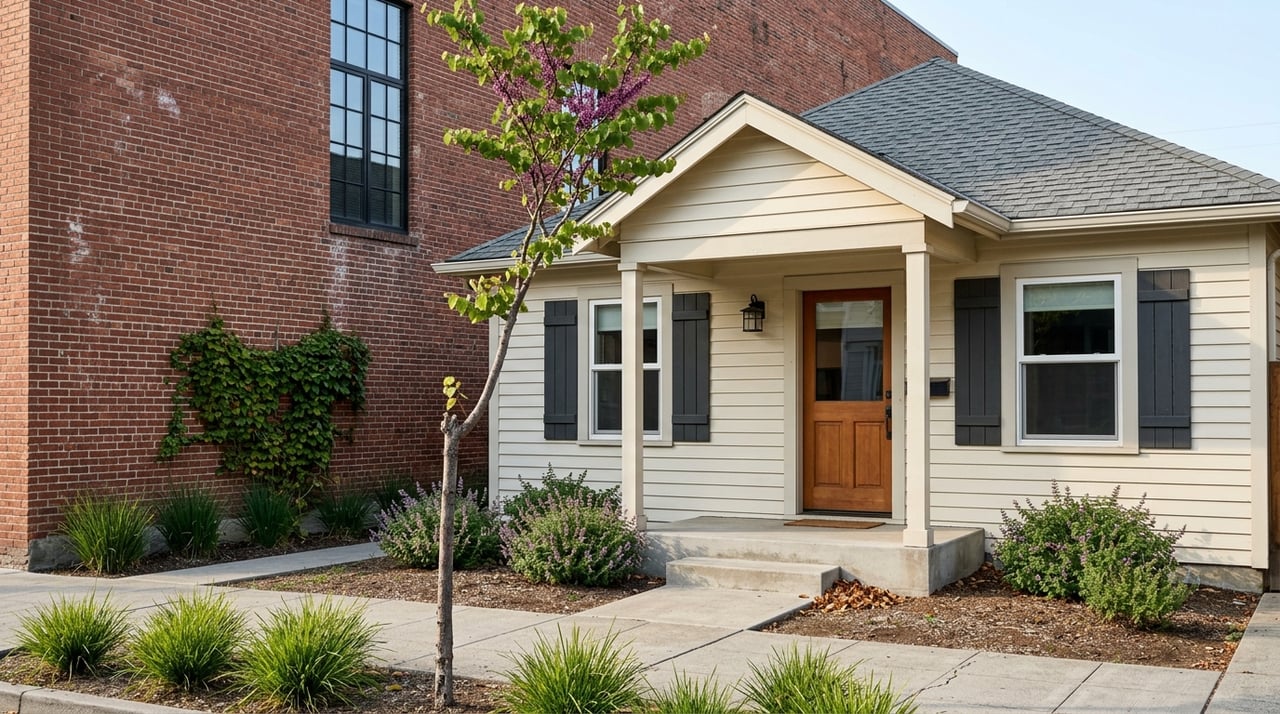
If you want a Sonoma County downtown with real architectural character, a walkable core, and homes that feel connected to place, downtown Petaluma stands out. You may be drawn to the idea of a loft near shops and the river, or a bungalow just outside the historic core with quick access to daily essentials. This guide will help you understand how downtown Petaluma living works, what types of homes you are likely to find, and what to keep in mind before you buy or sell here. Let’s dive in.
Why downtown Petaluma feels different
Downtown Petaluma is not just a collection of older buildings. The Petaluma Historic Commercial District covers much of downtown, includes 96 contributing buildings across about 23 acres, and is listed on the National Register of Historic Places. According to the city, the district still retains a high degree of historic integrity.
That matters in everyday life because the area feels cohesive. Instead of a generic downtown, you get a river-centered historic core where architecture, storefronts, and upper-floor spaces all contribute to a strong sense of place. The Petaluma River is a big part of that identity, shaping downtown as a true river town.
Historic loft living in Petaluma
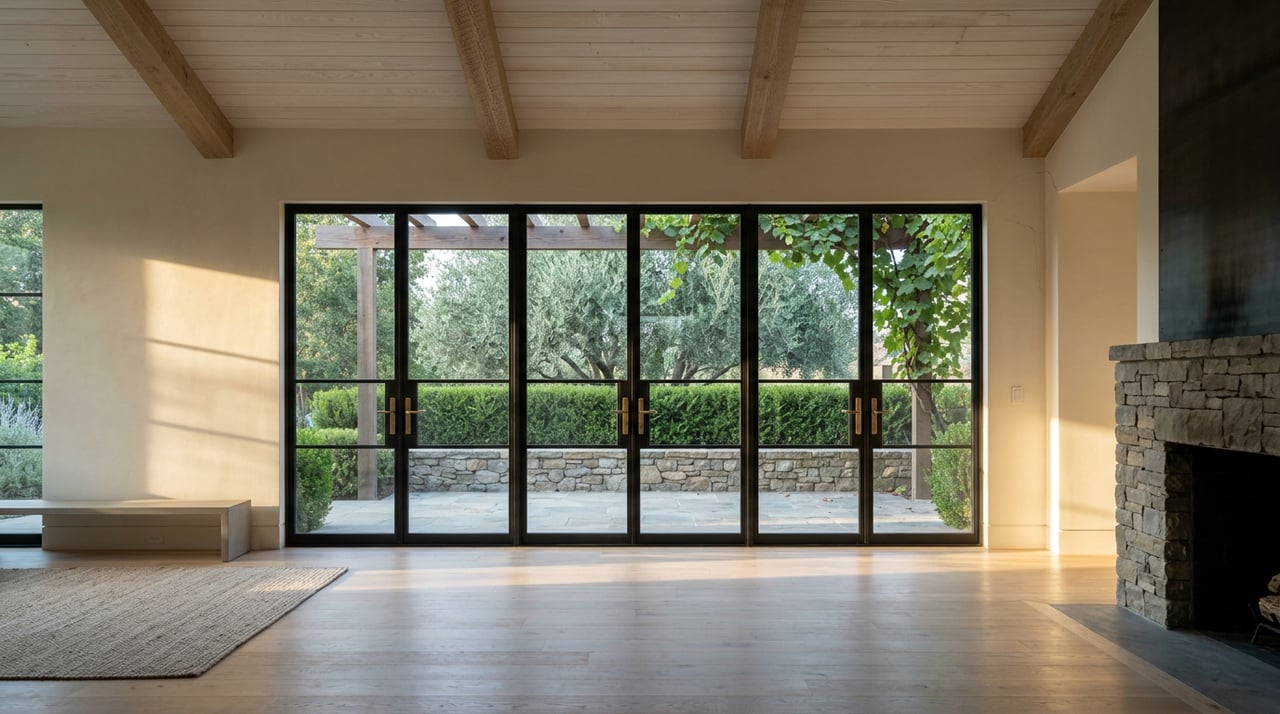
If you picture downtown living in Petaluma, loft-style spaces are often part of that vision. In this area, loft living is less about brand-new high-rise construction and more about adaptive reuse, mixed-use buildings, and upper-floor residential spaces above commercial activity.
City materials reflect that pattern. One example is the Petaluma Warehouse Lofts project, which involves converting an existing building into lodging units and retail, with some bedrooms in lofts. More broadly, city planning shows that downtown housing growth tends to come through careful infill and reuse, not wide-scale new construction.
What loft-style homes often offer
Downtown loft-style living can appeal to buyers who want an urban rhythm in Sonoma County. These homes may offer features like:
- Upper-floor locations near downtown businesses
- Flexible layouts influenced by older commercial buildings
- A live-near-everything routine with less dependence on a car
- A strong connection to Petaluma’s historic architecture
Because the downtown core is heavily shaped by preservation standards, each building can feel a little different. That individuality is often part of the appeal.
Why supply can feel limited
If you are searching for a historic loft downtown, inventory may feel selective. The city’s Downtown Housing & Economic Opportunity Overlay allows additional height in a limited area only when projects provide community benefits and preserve historic character.
In practical terms, that means downtown housing is shaped by review and design constraints. You are more likely to see thoughtful reuse and mixed-use additions than large waves of similar new units. For buyers, that can make distinctive downtown properties feel especially competitive when they hit the market.
Bungalow living near downtown
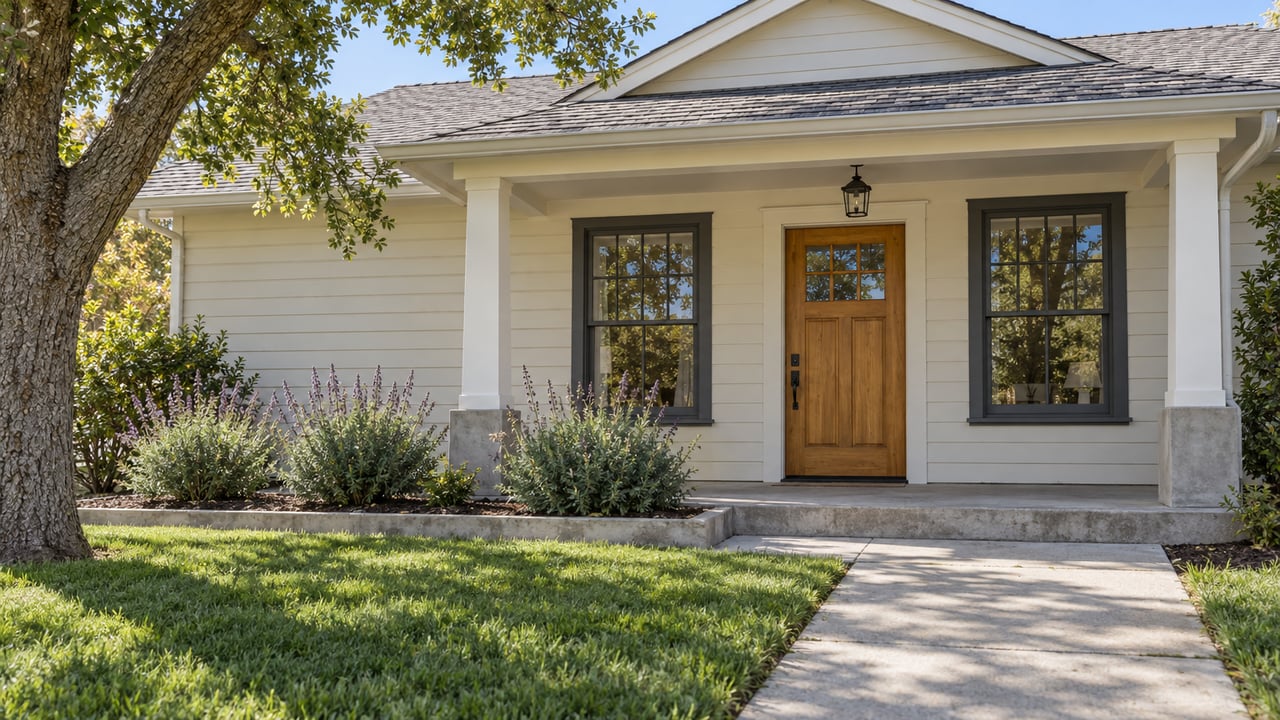
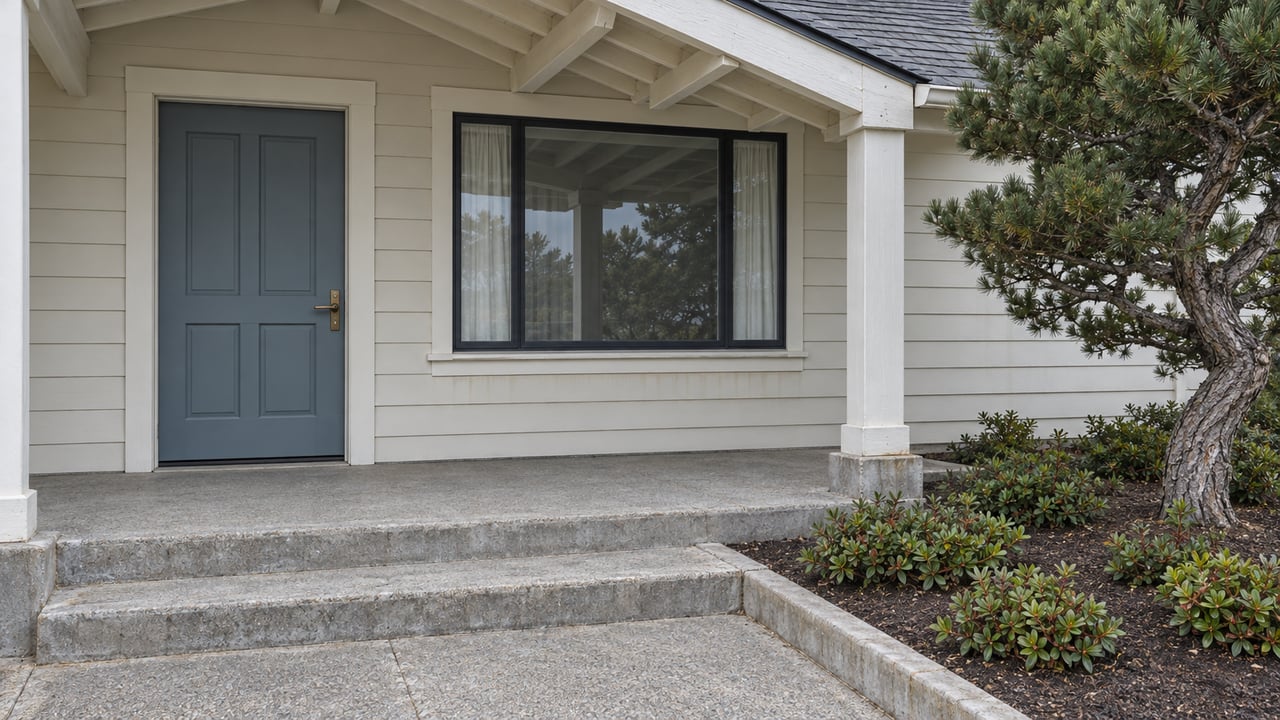
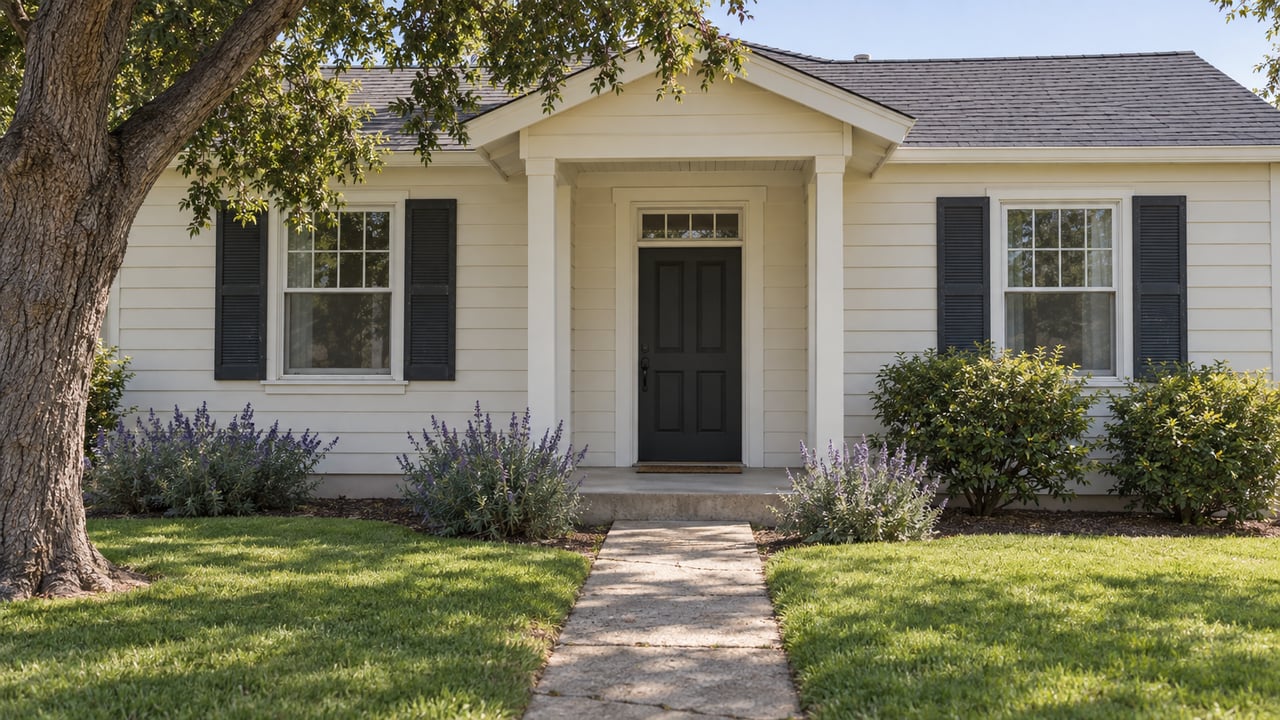
Just outside the commercial core, downtown Petaluma transitions into older residential areas with a different feel. This is where bungalows, Craftsman-era homes, Victorians, and other early homes help define the neighborhood fabric.
The Oakhill-Brewster area is often associated with that older-home character. Visit Petaluma describes it as a throwback to the city’s past, with Victorians, Craftsmans, and bungalows overlooking downtown, while city information notes that homes in the district range from the 1860s through the 1940s.
What makes bungalow neighborhoods appealing
For many buyers, a bungalow offers a middle ground between downtown energy and residential calm. You can stay close to restaurants, shops, transit, and riverfront amenities while enjoying a home style that often includes period details and a more traditional neighborhood setting.
Nearby historic areas also add to the range of options. The A Street Historic District includes residences, offices, churches, and apartments, with nearly all buildings constructed before 1925. That mix can create a layered streetscape and a more varied housing search than you might expect in a compact downtown area.
What daily life looks like
One of downtown Petaluma’s biggest strengths is how easy it can be to build a car-light routine. The downtown SMART station sits next to the Transit Mall and is served by Golden Gate Transit, Sonoma County Transit, Petaluma Transit, and the free LumaGo shuttle. Redwood Bikeshare is also available there.
That transportation setup supports a practical lifestyle, not just a planning concept. City wayfinding and active transportation efforts are designed to help people move to and through downtown by foot and bicycle, with links to transit and the SMART multi-use path.
Walkability and local rhythm
Daily life downtown tends to be shaped by convenience and variety. Visit Petaluma highlights breakfasts by the river, antique and vintage shopping, books and games, lunch spots, tasting rooms, museums, live music, and evening dining.
For you, that can mean a very different weekly routine than a more car-dependent part of Sonoma County. Running errands, meeting friends, or spending a weekend afternoon can happen within a compact area that feels active without being oversized.
The river is a real amenity
In some downtowns, water is just a backdrop. In Petaluma, the river is part of how people actually use the area. City materials describe the Petaluma River as a draw for boaters, rowers, kayakers, photographers, bird watchers, and anglers.
There is also a recreational side that feels unusually close to the center of town. Visit Petaluma points to river evenings at The Floathouse, where paddlers launch from downtown itself. That kind of access gives the area a lifestyle angle that is hard to duplicate elsewhere in the county.
What buyers should watch for
Historic homes and adaptive reuse properties can be rewarding, but they also come with details worth understanding early. In downtown Petaluma, city review plays an important role in preserving the area’s character.
Historic SPAR review applies to projects in historic districts and city landmarks. Alterations to historic resources are reviewed using district guidelines and Secretary of the Interior standards, and demolition of pre-1945 structures receives special scrutiny.
Renovation and exterior changes
If you are considering a loft, bungalow, or other older property, it is smart to look closely at what you hope to change. Exterior work in historic districts will often involve more oversight than you would see in a newer neighborhood.
That does not mean improvement is off the table. It means your plans may need to fit preservation-oriented guidelines. For buyers, that is worth discussing before you make assumptions about timelines, design choices, or project scope.
ADU potential in older neighborhoods
Petaluma allows ADUs and JADUs by right on residentially zoned lots. For some buyers, that may add flexibility in older neighborhoods near downtown.
Still, zoning and historic review are not the same thing. If a property sits in a historic district, exterior changes may still trigger additional review even when the property otherwise has ADU potential. That combination makes due diligence especially important.
How Petaluma compares nearby
If you are choosing among Sonoma County communities, it helps to place Petaluma in context. The 2020 Census counted 59,776 residents in Petaluma, compared with 178,127 in Santa Rosa and 7,521 in Sebastopol.
Those numbers line up with the feel on the ground. Santa Rosa has a much larger downtown footprint and is actively pursuing transit-oriented housing in its core, while Sebastopol is a smaller compact mixed-use downtown with a local-first character. Petaluma sits in between, feeling more intimate and historic than Santa Rosa’s regional downtown, while offering a more urban and transit-connected experience than Sebastopol’s smaller core.
What this means for buyers and sellers
For buyers, downtown Petaluma offers a distinct mix that can be hard to find elsewhere in Sonoma County. You can target loft-style living in a historic commercial setting, search for bungalows and early homes just beyond downtown, or focus on properties that support a walkable, river-centered lifestyle.
For sellers, the same uniqueness can be a major advantage. When a home has architectural character, proximity to downtown, and access to transit or the riverfront, positioning matters. The story of the property, the block, and the lifestyle around it can be just as important as square footage.
That is where local guidance makes a real difference. A well-managed buying or selling process can help you evaluate historic-review considerations, understand how a property fits the downtown market, and present it in a way that matches what today’s buyers are actually looking for.
If you are thinking about buying or selling near downtown Petaluma, working with a team that understands Sonoma County nuance can help you move with more clarity and less stress. Connect with Mark Spaulding to talk through your goals and the opportunities that fit your next move.
FAQs
What is downtown Petaluma known for in real estate?
- Downtown Petaluma is known for its historic commercial district, adaptive reuse buildings, upper-floor residential spaces, and nearby older homes including bungalows, Craftsman-style houses, and Victorians.
What kinds of lofts are found in downtown Petaluma?
- Loft-style living in downtown Petaluma is typically tied to reused historic buildings, mixed-use properties, and upper-floor residential spaces rather than large new high-rise development.
What should buyers know about historic homes in Petaluma?
- Buyers should know that exterior changes in historic districts often require additional city review, and alterations to historic resources are evaluated under preservation-oriented guidelines.
Are there bungalow neighborhoods near downtown Petaluma?
- Yes. Areas near downtown, including Oakhill-Brewster and the A Street Historic District, include older homes and a range of residential building styles from the late 19th and early 20th centuries.
How walkable is downtown Petaluma for daily life?
- Downtown Petaluma supports a car-light lifestyle with access to the SMART station, multiple transit providers, bikeshare, walkable businesses, and connections to the SMART multi-use path.
Does the Petaluma River affect downtown living?
- Yes. The river is a defining downtown amenity that supports recreation, views, and everyday access to activities like kayaking, rowing, bird watching, and waterfront gatherings.