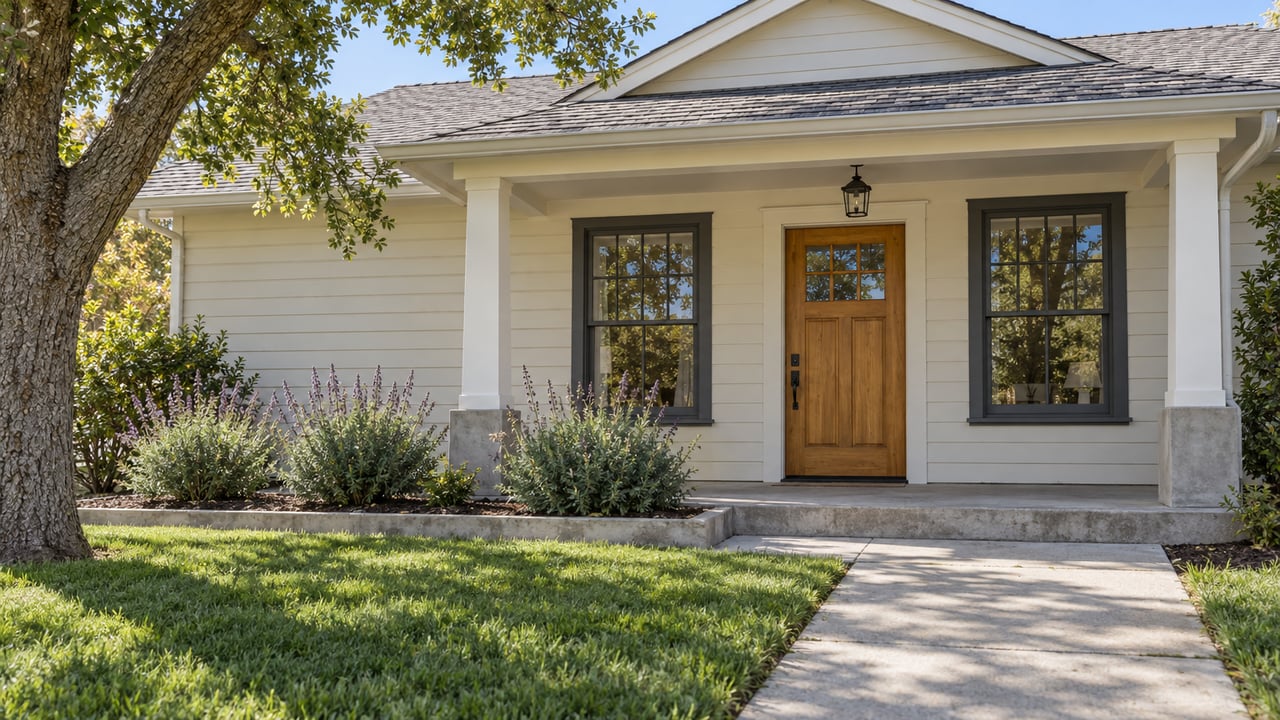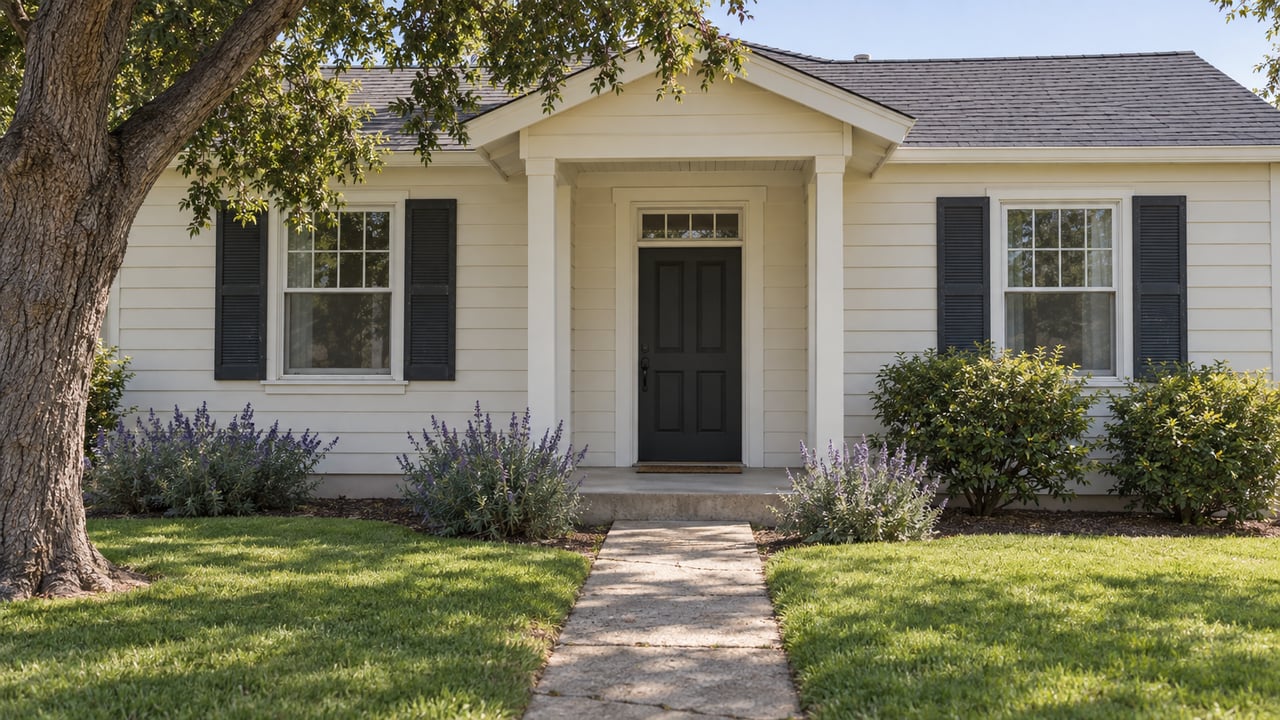
Trying to stretch your first-home budget in Sonoma County and debating Petaluma vs. Santa Rosa? You are not alone. Both cities offer great starter options, but they trade size, commute, and long-term value in different ways. This guide breaks down what your money typically buys, the true monthly costs beyond your mortgage, commute and lifestyle differences, and how to think about resale potential. Let’s dive in.
Quick take: Value differences
If you want more house for your money, you will usually find it in Santa Rosa. Petaluma often costs more at entry level because of its downtown charm, closer proximity to Marin and the SF Bay corridor, and certain school districts. With the same budget, you may get a larger or newer home in Santa Rosa than in Petaluma.
The right choice depends on your tradeoffs. Weigh home size and condition against commute time, ownership costs like insurance and taxes, and the amenities you value most.
What counts as a starter home
In this market, a “starter home” typically means one of the following:
- Entry-level single-family homes, often 1–3 bedrooms on modest lots
- Small condos or townhomes, usually with HOA dues
- Small duplexes that could work for owner-occupants
Expect older homes that may need minor to moderate updates, or newer condos and townhomes with shared amenities and rules.
What your budget typically buys
Petaluma
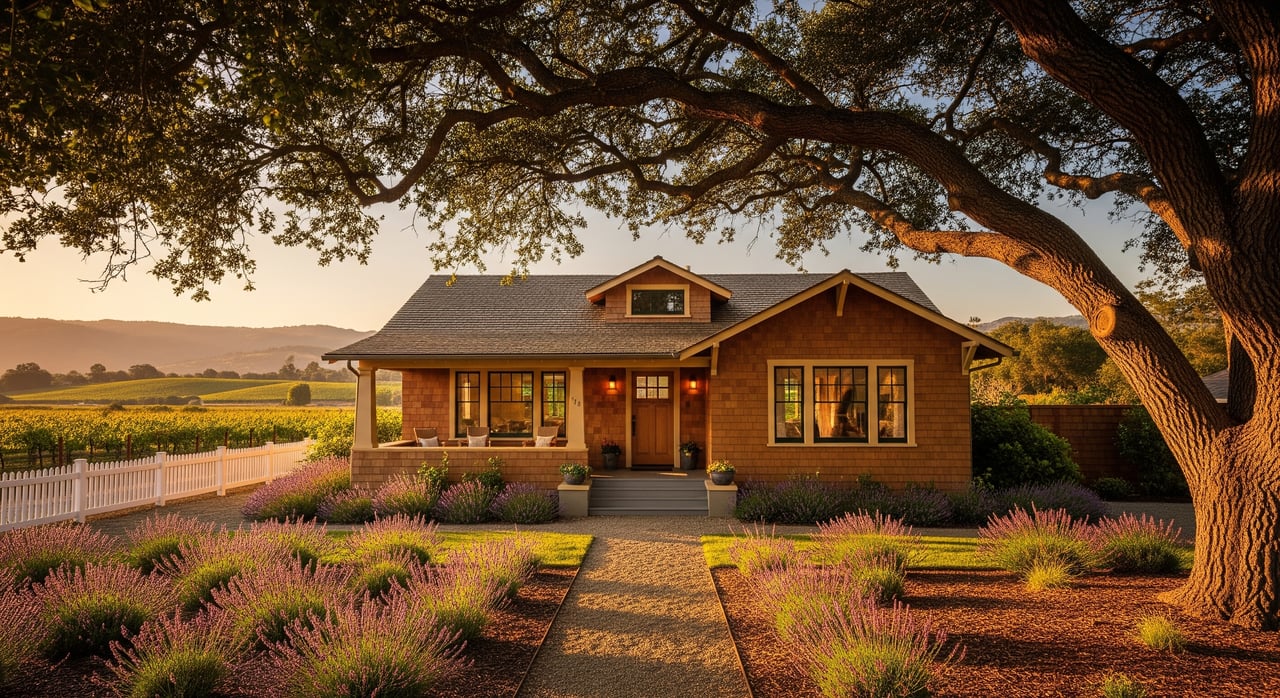
- Older Victorian cottages or small Craftsman homes in historic pockets, often needing cosmetic or systems updates
- Newer infill condos and townhomes near downtown or east Petaluma, with HOA fees
- Smaller single-family homes on modest lots in outer neighborhoods
- Tighter entry-level inventory, with more competition for well-priced homes
Santa Rosa
- Larger single-family homes in 1970s–1990s subdivisions, many with yards
- Detached bungalows and ranch-style homes in established areas
- More entry-level selection, including some turn-key options at the same budget that would buy a smaller Petaluma home
- Typically broader inventory at lower price points, which can reduce competition in some segments
Total monthly cost factors
Ownership costs include more than principal and interest. Use these components to estimate your true monthly number.
Mortgage principal and interest
- Your payment depends on loan amount, interest rate, and term. Get real-time quotes from a lender and compare scenarios side by side.
Property taxes and assessments
- In California, Proposition 13 sets a base rate near 1% of assessed value. Local parcel taxes and special assessments can increase your effective rate.
- Simple estimate: effective annual property tax ≈ (assessed value × 1%) + local assessments. Divide by 12 for a monthly number.
- Always check the Sonoma County Assessor’s parcel report for exact assessments before you write an offer.
Homeowners insurance and wildfire considerations
- Standard homeowners policies can cost more in higher wildfire risk zones. Some areas face limited insurer availability.
- Earthquake insurance is separate. Decide if it fits your risk tolerance and budget.
- Ask insurers about mitigation steps like defensible space and ember-resistant vents, which can aid coverage and safety.
HOA dues, utilities, and maintenance
- Condos and townhomes carry monthly HOA dues. Know what they cover and whether reserves are strong.
- Most homes within city limits have municipal water and sewer. Confirm services on disclosures.
- Budget 1–3% of home value per year for maintenance as a rule of thumb. Consider a monthly reserve so surprises do not derail your budget.
Commute, transit, and lifestyle
Petaluma commute angle
Petaluma sits closer to Marin County and the Golden Gate corridor. If you commute south, your drive time can be shorter from Petaluma than from Santa Rosa, although traffic varies by time of day.
Santa Rosa commute angle
Santa Rosa is farther north, so southbound drives to Marin or San Francisco are typically longer. In exchange, you often get more space, a larger yard, or a newer home for the same budget.
SMART rail access
Both cities are served by the SMART rail line, which connects to the Larkspur ferry for San Francisco access. If you plan to use rail, test door-to-door times from your likely home areas to stations during peak hours.
Daily life and amenities
- Petaluma: walkable downtown with restaurants and boutiques, and quick access to Bay Area commuter routes.
- Santa Rosa: the county’s largest city, with more regional services, hospitals, colleges, and housing variety across many neighborhoods.
Resale potential and risks
Resale drivers to watch
- Proximity to walkable downtowns, transit access, and stable neighborhoods
- Home condition, curb appeal, and usable outdoor space
- School district data and boundaries for buyers who prioritize schools
- In Petaluma, proximity to the Bay Area commuter corridor can support long-term demand
- In Santa Rosa, broader inventory and larger homes at lower price points appeal to a wide buyer pool
Environmental and market risks
- Wildfire exposure is a key regional factor. It can influence insurance costs, mortgage approvals, and future buyer demand.
- Flood risk exists in lower-lying areas. Always review disclosures and relevant maps.
- Bay Area job trends can affect Petaluma demand more directly, while Santa Rosa’s larger local job base can help buffer shifts.
Neighborhood-level checklist
- Confirm potential for an ADU if future income or flexibility matters to you.
- Check zoning and planned development nearby that could change future value.
- Review permit history for major systems and any seismic or fire-safety retrofits.
Practical buyer scenarios
Below are illustrative examples to help you think through tradeoffs. Replace the numbers with current quotes from your lender and exact property data.
Example A: Tight starter budget
- Likely fit: small condo or townhome in Petaluma, or a small single-family in Santa Rosa. The same monthly budget often stretches further in Santa Rosa.
- Key tradeoff: Petaluma’s closer commute and downtown lifestyle vs. smaller living space and HOA dues. Santa Rosa’s larger home and yard vs. longer southbound commute.
- Monthly cost formula:
- Monthly mortgage ≈ lender-quoted principal + interest
- monthly property tax ≈ ((purchase price × effective annual tax rate) ÷ 12)
- homeowners insurance (monthly estimate)
- HOA dues (if any)
- maintenance reserve ≈ ((purchase price × 1%) ÷ 12)
- = estimated total monthly housing cost
Example B: Middle starter budget
- Likely fit: modest single-family in Petaluma that might need updates, or a turn-key 2–3 bedroom in Santa Rosa with more interior space.
- Resale view: Petaluma may offer strong price stability tied to Bay Area commuting. Santa Rosa can attract a broader buyer pool seeking more square footage and longer stays.
- Use the same monthly cost formula above and add a buffer for planned upgrades if buying a cosmetic fixer.
Example C: Higher starter budget with renovation
- Likely fit: a Petaluma fixer with character near downtown, or an updated Santa Rosa home with a larger lot.
- Resale view: Renovating a historic Petaluma cottage can deliver strong appreciation if you manage budget and permitting well. It also carries renovation risk and timeline complexity.
- Monthly cost formula with rehab:
- Monthly mortgage
- monthly property tax
- homeowners insurance
- HOA (if any)
- maintenance reserve
- renovation reserve (temporary monthly set-aside for planned work)
- = estimated total monthly cost
Tip: Ask us for our starter-home budget spreadsheet so you can plug in your lender quote, tax estimates, insurance, and HOA to compare Petaluma versus Santa Rosa side by side.
First-time buyer checklist
- Pull recent sold comps and the 25th and 50th percentile sale prices for both cities using the local MLS. Note the source and date.
- Review parcel taxes and special assessments with the Sonoma County Assessor before you write an offer.
- Check Cal FIRE Fire Hazard Severity Zone maps and ask about defensible space and insurance implications.
- Get multiple insurance quotes that include wildfire and optional earthquake coverage.
- Confirm water and sewer service, or septic and well, in the disclosures.
- Order professional inspections. For older homes, add termite, roof, and sewer scope.
- Request the property’s permit history for major systems and any ADU work.
- Research current school boundaries and enrollment capacity if schools matter to you.
- Drive your commute during peak hours and test access to SMART stations.
- If considering a condo or townhome, read HOA budgets, reserves, rules, and special assessment history carefully.
- Call local utilities for average bills and any municipal fees.
How to choose with confidence
If your top priority is size, yard, and turn-key convenience at an entry price, Santa Rosa often wins on value. If your priority is a shorter commute south and a walkable downtown lifestyle, Petaluma can be worth the premium. Focus on the whole monthly cost, insurance realities, and the condition of the homes you can actually buy today.
A local, data-driven partner can help you compare real listings, confirm price bands, and uncover off-market options that might fit your budget. If you want tailored guidance, connect with Mark Spaulding for a side-by-side Petaluma and Santa Rosa plan, including lender referrals, insurance tips, and a customized cost-comparison worksheet.
FAQs
Which city gives me more house for my money?
- Generally Santa Rosa offers more square footage or newer construction at the same budget, while Petaluma often carries a price premium.
Is Petaluma better for commuting to San Francisco?
- Petaluma is typically closer to Marin and the Golden Gate corridor, though actual drive times vary; both cities have SMART rail access to the Larkspur ferry.
How does wildfire risk affect first-time buyers?
- Wildfire exposure can raise insurance costs and limit options; review hazard maps, get multiple quotes, and plan for mitigation to protect your budget and loan approval.
Are there assistance programs for first-time buyers in Sonoma County?
- Yes, programs such as CalHFA and county-level assistance may be available; confirm current eligibility, funding, and terms before you shop.
Should I choose a condo or a single-family home for resale?
- Single-family homes often attract a wider buyer pool, while condos can be more affordable entry points but include HOA dues and rules.
What should I check before writing an offer?
- Verify comps and price bands, assess taxes and assessments, confirm insurance availability, schedule inspections, test commute times, and review HOA documents if applicable.