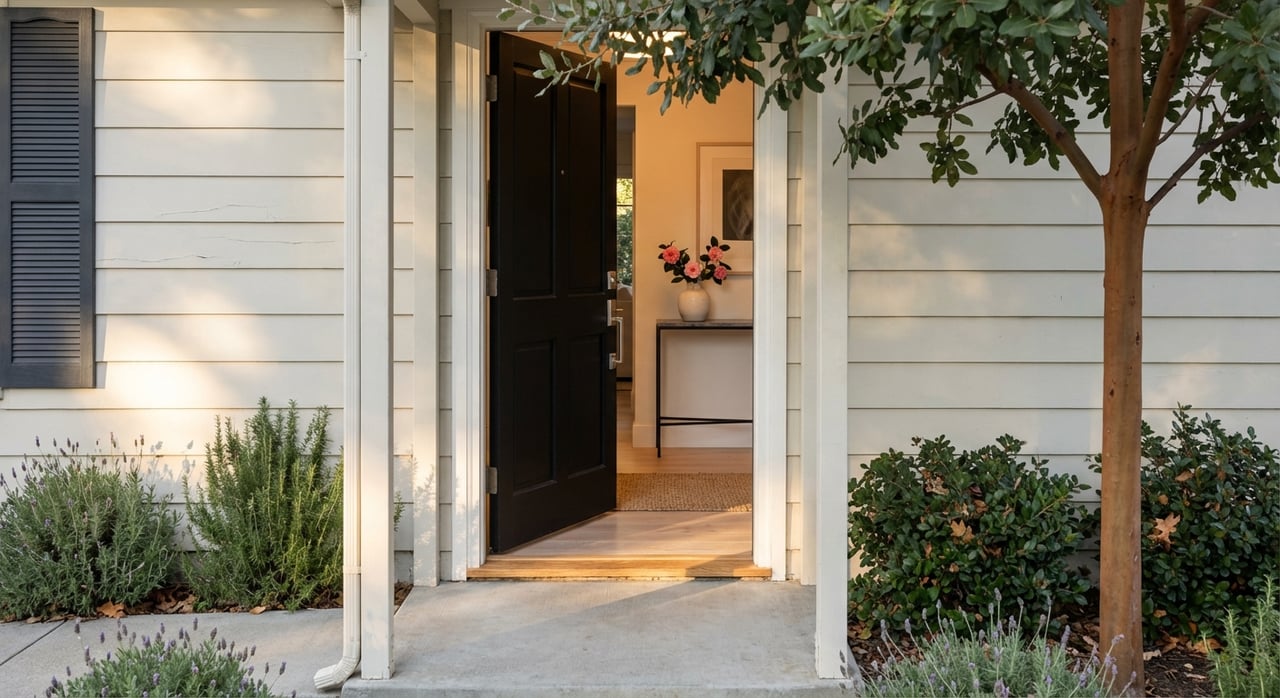
Spring buyers in Santa Rosa start looking as soon as the hills turn green. If you want the best price and a smooth escrow, how you prepare in the next few weeks matters as much as when you list. You may be juggling repairs, disclosures, wildfire steps, and timing. This guide gives you a simple 8-week plan tailored to Santa Rosa, plus the key rules and resources you need to launch with confidence. Let’s dive in.
Why spring timing matters
Spring is the biggest buyer window in Santa Rosa. Late March through May captures local moves, Bay Area weekend commuters, and buyers aiming to settle before summer.
Aim to list in that window and work backward. Most homes need 4 to 8 weeks for planning, light repairs, staging, photography, and disclosures. In a balanced-to-slightly-seller-leaning market, well-prepared and well-priced homes still move efficiently.
Map your 8-week plan
You can compress this to 3 to 4 weeks for light cosmetic prep. If you need major work, add time upfront so you still hit spring.
Weeks 8 to 6: Strategy and setup
- Meet your agent for a neighborhood CMA and pricing bands. Discuss target list date and desired close window.
- Run a simple net sheet so you know costs and likely proceeds.
- Pull key documents early: title prelim, permit history, HOA docs if applicable, and your Natural Hazard Disclosure order so you understand fire-zone status and other items upfront. Review California lead-based paint rules if your home was built before 1978 using the state’s guidance on required federal disclosures and pamphlets at the California Department of Public Health site. Read the overview of lead-paint disclosures and the EPA pamphlet details at the CDPH page on real estate disclosures (see “Protect Your Family From Lead in Your Home”). Review California lead-based paint disclosure guidance.
- If you choose a turnkey approach, consider a broker-facilitated program to organize vendors and front eligible improvements, then settle at closing. Learn how Compass Concierge funds and coordinates high-ROI prep. Explore Compass Concierge.
Weeks 6 to 4: Repairs and compliance
- Fix safety and system items first: roof leaks, HVAC issues, electrical hazards, active plumbing leaks, water heater straps, and anything that could spook a buyer or lender.
- If your property is in a High or Very High Fire Hazard Severity Zone, start wildfire compliance now. AB 38 requires sellers in these zones to provide defensible-space documentation or a written agreement with buyers to complete it within one year. Read the real estate guidance that explains AB 38 defensible-space requirements. See AB 38 defensible-space guidance.
- Confirm your specific zone classification on Santa Rosa’s Wildland-Urban Interface page and plan any vegetation work. Check Santa Rosa WUI maps and resources.
- Tackle visible cosmetic fixes that change the overall “condition” rating: fresh caulk, regrouted tile, repaired handrails, properly latching doors, and clean windows.
- If interior changes were done without permits, talk with your agent about disclosure or retroactive permitting. Disclose known material facts in writing.
Weeks 4 to 2: Staging and curb appeal
- Declutter, depersonalize, and deep clean. Prioritize the living room, kitchen, and primary bedroom for staging.
- Refresh paint in neutral tones in high-traffic areas. Replace dated light fixtures and hardware where it gives clear visual lift.
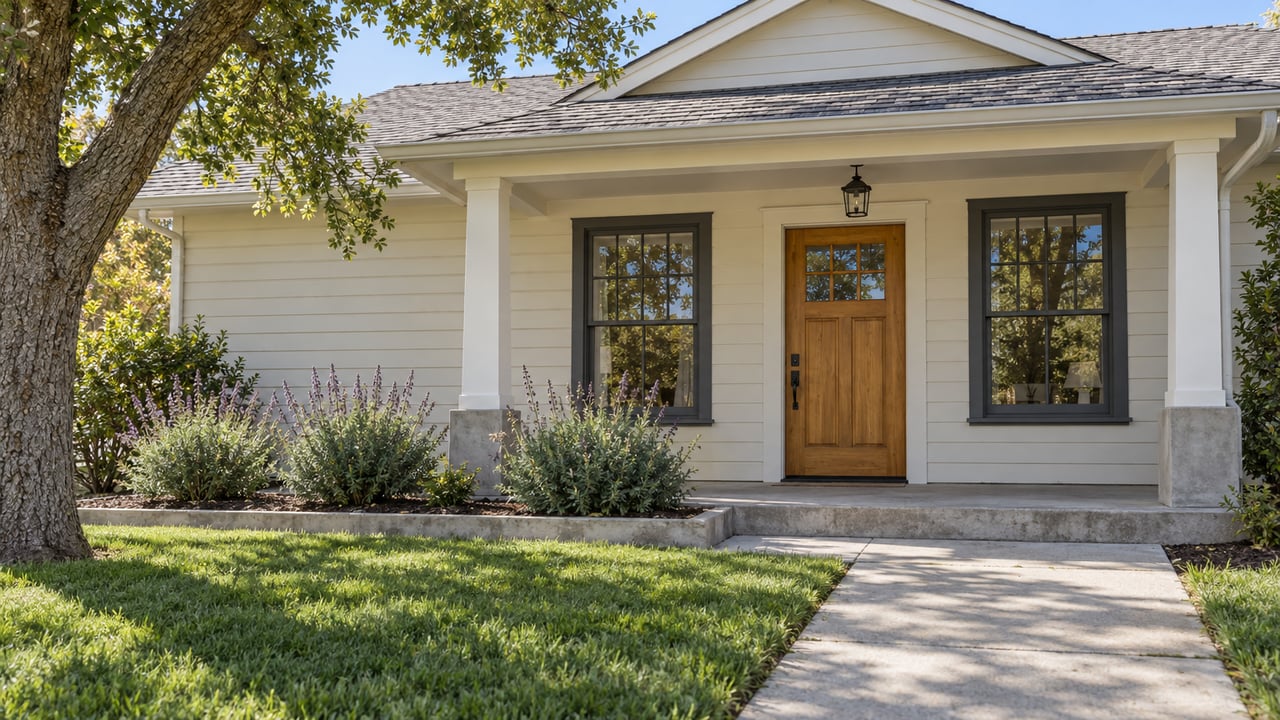
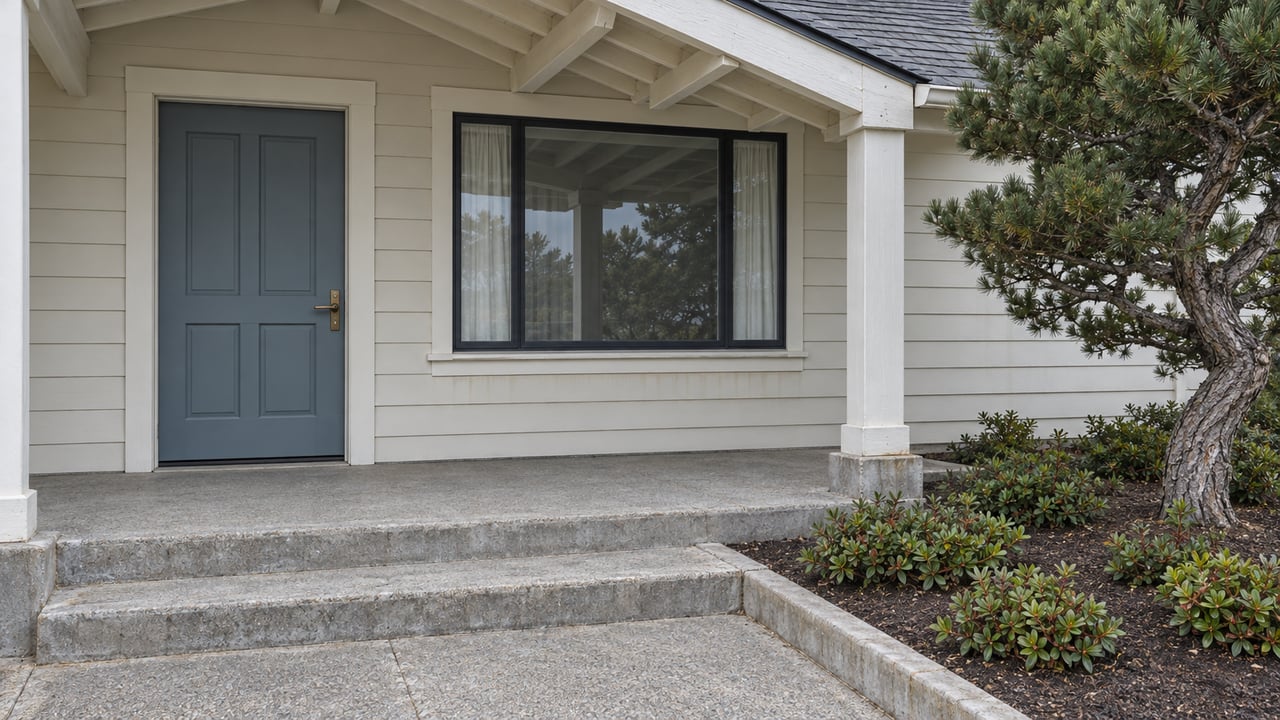
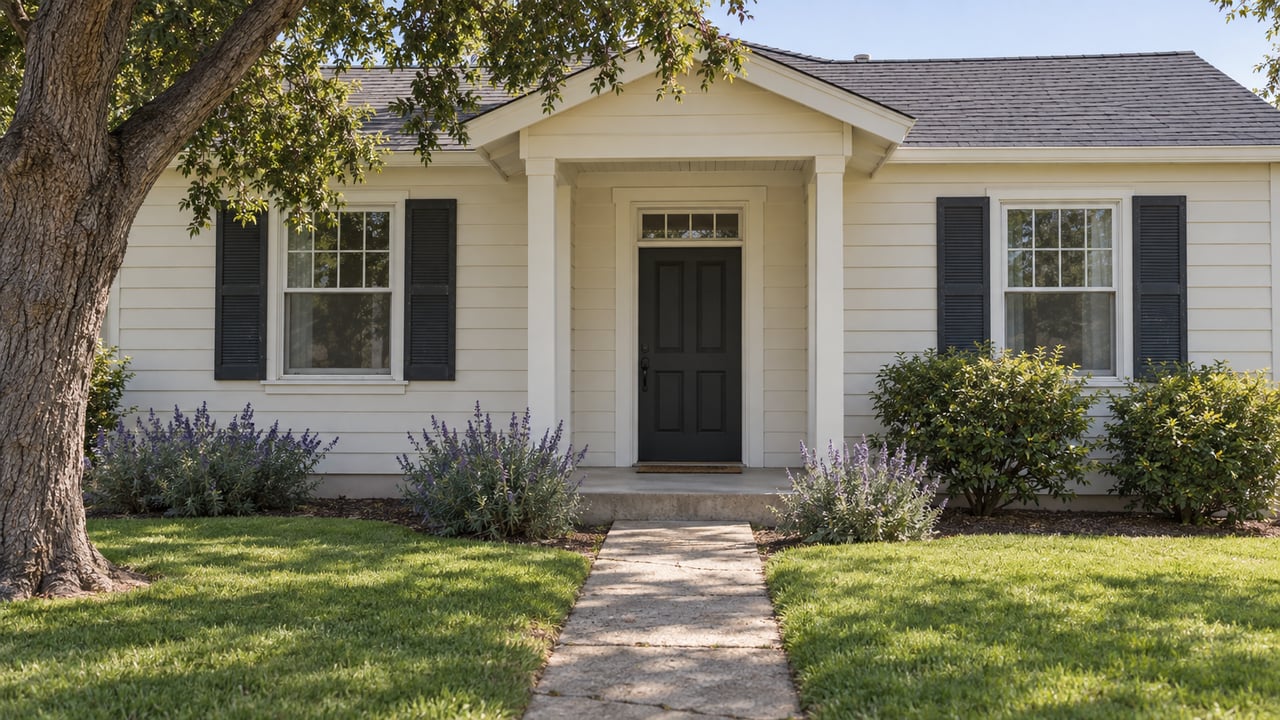
- Boost curb appeal with pressure washing, new mulch, trimmed shrubs, and seasonal color. In wildfire zones, remove dead vegetation and flammable materials within 5 to 30 feet of structures and follow CAL FIRE’s defensible-space tips. Review CAL FIRE Ready for Wildfire tips.
- Book professional photography. Plan for an interior set, a twilight exterior, and a simple floor plan. If you expect out-of-area buyers, add a virtual tour.
Week 1 to launch: Polish and pre-market
- Do a final walkthrough at dusk to confirm lighting, scent, and staging details.
- Compile your disclosures: Transfer Disclosure Statement, Natural Hazard Disclosure, AB 38 defensible-space documentation if required, and lead-paint disclosures for pre-1978 homes. Confirm California lead-paint requirements.
- Consider a short pre-market phase to gather agent feedback and build demand before you go live. Compass sellers often use a two-step approach to validate pricing and momentum. See how Compass Coming Soon works.
Disclosures and wildfire rules in Santa Rosa
Getting your compliance right early prevents escrow delays and buyer concern. Here are the essentials you should know and start now.
Core California disclosures
- Transfer Disclosure Statement and Natural Hazard Disclosure are required for most 1 to 4 unit sales. Provide them on time to avoid buyer rescission windows.
- Homes built before 1978 require federal lead-based paint disclosures, delivery of the EPA pamphlet, and a buyer’s inspection period. Review CA’s lead disclosure overview.
Wildfire defensible space and NHD details
- AB 38 requires sellers in High or Very High Fire Hazard Severity Zones to provide documentation of defensible-space compliance or a written agreement for the buyer to complete it within one year. Missing this can delay or derail closing. Learn about AB 38 requirements.
- AB 1280 updated the Natural Hazard Disclosure to call out whether your parcel lies in high or very high fire hazard zones and if it is in a State or Local Responsibility Area. This clarity helps buyers and insurers assess risk. Read the AB 1280 bill text.
- Santa Rosa’s Fire Department maintains local WUI guidance and inspection information. Use the city’s resources to confirm status and schedule any needed inspection. Visit Santa Rosa’s WUI resource page.
Permits and unpermitted work
- Pull your permit history and disclose any known unpermitted alterations. Unpermitted work can slow escrow or trigger repair requests.
- Deliver amended disclosures promptly when new information is discovered. Late delivery can give buyers a new right to cancel. For a practical overview of disclosure timing and rescission risk, read this summary of California disclosure obligations. See disclosure timing overview.
Insurance considerations that affect buyers
Wildfire risk has tightened parts of California’s insurance market. Some buyers will ask about availability and cost, especially in higher-risk zones.
- Expect questions about private carriers and the California FAIR Plan. Market assessments show ongoing pressure on insurers and higher assessments for the FAIR Plan. This can influence buyer budgets and underwriting timelines. Read a recent FAIR Plan market update.
- Help buyers by assembling recent premium info, mitigation steps taken, and any transferable discounts. Clear documentation reduces last-minute surprises.
High-impact upgrades buyers notice in spring
You do not need a full remodel. Focus on improvements that present clean, safe, light, and move-in ready.
- Fresh interior paint in neutral tones in main living areas.
- Deep cleaning of windows, carpets, and grout. Repair minor flooring issues.
- Quick kitchen refresh: updated hardware, new faucet, modern light fixture, regrouted backsplash, and resealed counters.
- Function checks: fix sticky doors, squeaky hinges, misaligned drawers, and inoperable windows.
- Curb appeal: new mulch, pruned shrubs, seasonal flowers, and a clean front door. In wildfire zones, remove combustible materials near structures and follow CAL FIRE’s defensible-space rules. Check Ready for Wildfire guidance.
Pricing and launch strategy
Positioning is everything in a market where buyers have more choice than a few years ago.
Use a tight CMA
- Compare nearby, recent sales in your price band and track days on market and list-to-sale ratios. Slightly different submarkets within Santa Rosa can perform differently, so stay hyper local.
- Price to the market you are entering, not the one from a year ago. Proper positioning at launch helps avoid extended days on market.
Leverage pre-marketing
- A private pre-market period can help you gather feedback and fine-tune price or presentation before you go public. Learn about Compass Coming Soon.
- If you need vendor coordination or capital for prep, Concierge can front approved costs for repairs and staging and collect at close. How Compass Concierge supports prep.
- Internal analyses have found that pre-marketing can lead to faster contracts and fewer price reductions for homes that used it. See Compass pre-marketing results.
Marketing assets buyers expect
Set the table so buyers and their agents can move quickly and confidently.
- Professional photography and a twilight exterior hero shot.
- Floor plan and a short, scannable property story that highlights light, flow, outdoor living, and any energy or fire-hardening upgrades.
- Virtual tour or 3D walk-through for out-of-area buyers.
- Organized disclosure packet: TDS, NHD, AB 38 defensible-space documentation if required, and lead-based paint items for older homes. Review lead-based paint rules.
- Launch plan: broker preview, then timed public open houses.
Local resources and vendor checklist
Use trusted sources and licensed pros so you can document work and reduce buyer objections.
- City of Santa Rosa Fire Prevention WUI page to verify zone status and schedule defensible-space steps. Santa Rosa WUI resources
- CAL FIRE’s Ready for Wildfire for home-hardening and defensible-space tips. Ready for Wildfire
- AB 38 real estate guidance for sellers in fire zones. AB 38 overview
- Concierge coordination for staging and pre-sale improvements. Compass Concierge
Suggested vendor list to assemble:
- Licensed home inspector for a pre-list inspection
- Licensed electrician, plumber, and HVAC technician
- Licensed roofer if roof age or condition is uncertain
- Termite and wood-destroying pest inspector
- Landscape contractor familiar with defensible-space practices
- Professional stager and real estate photographer
Avoidable mistakes that cost time and money
- Waiting on disclosures. Late delivery can trigger buyer rescission periods and stall your timeline. Read disclosure timing basics.
- Skipping AB 38 steps. If you are in a High or Very High Fire Hazard Severity Zone, missing defensible-space documentation can delay closing. Confirm AB 38 requirements.
- Overbuilding on the eve of listing. Talk with your agent before committing to big-ticket renovations. Small, strategic updates often yield a better return.
- Underestimating photography and staging. First impressions in spring are everything. Invest where buyers look first.
Ready to sell this spring?
With a clear plan, a tidy disclosure packet, and a strong launch, you can meet Santa Rosa’s spring demand with confidence. If you want a guided process, vendor coordination, and data-driven pricing, connect with a local team that blends high-touch service with powerful marketing tools. Reach out to Mark Spaulding to map your 8-week plan and position your home for a standout spring sale.
FAQs
When should I list my Santa Rosa home in spring?
- Most sellers aim for late March through May. Work backward 4 to 8 weeks to handle repairs, staging, disclosures, and photography so you launch ready.
What is AB 38 and does it apply to my property?
- AB 38 requires sellers in High or Very High Fire Hazard Severity Zones to provide defensible-space documentation or a buyer agreement to complete it within one year. Check your status on Santa Rosa’s WUI page.
What California disclosures do I need to provide?
- You will typically provide the Transfer Disclosure Statement and Natural Hazard Disclosure. Homes built before 1978 also require federal lead-based paint disclosures and the EPA pamphlet.
How can wildfire insurance affect my sale?
- In higher-risk zones, some buyers may face limited private options and may consider the California FAIR Plan, which can influence budgets and underwriting timelines.
What upgrades pay off before a spring sale?
- Fresh paint, lighting and hardware updates, deep cleaning, minor kitchen refreshes, and strong curb appeal usually deliver the best return without overextending the timeline.