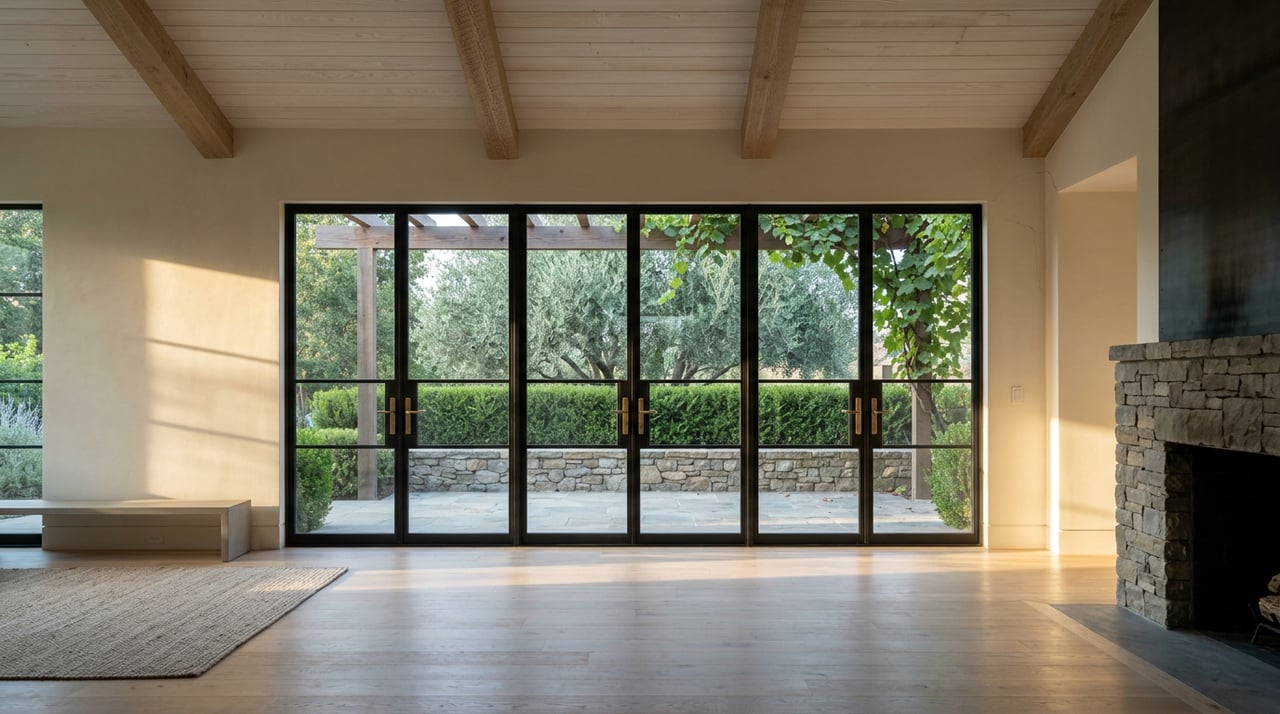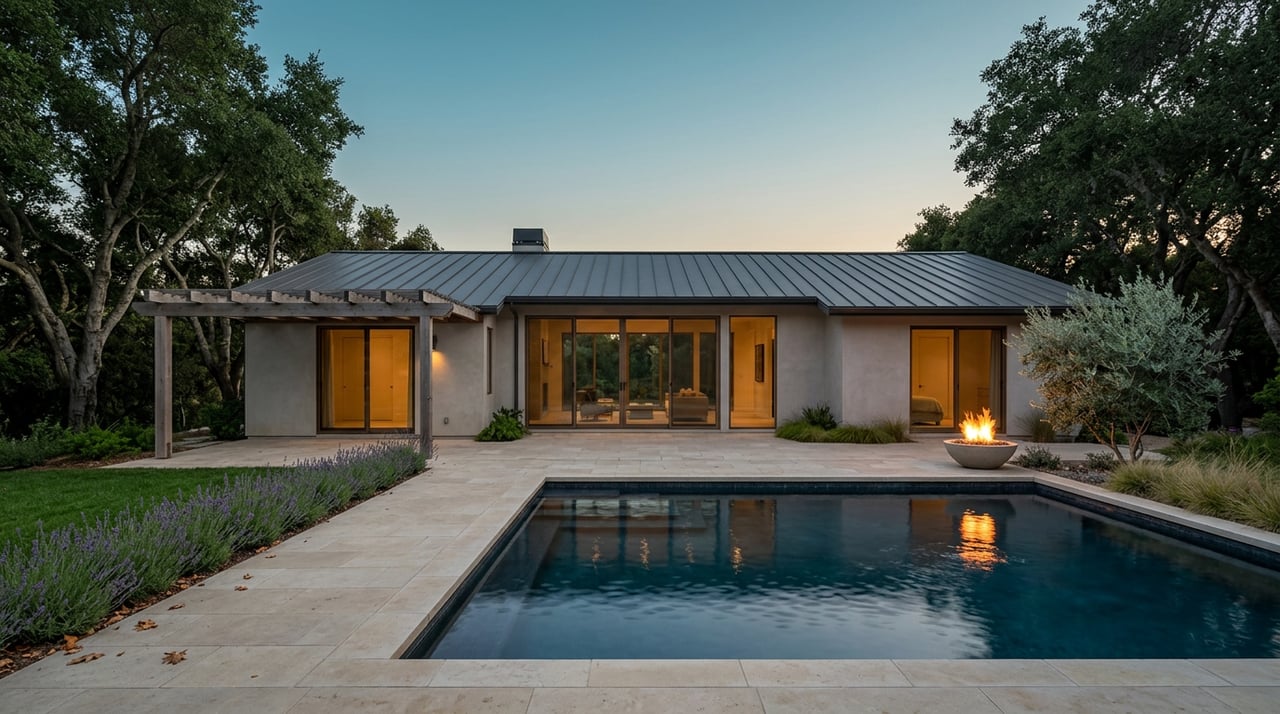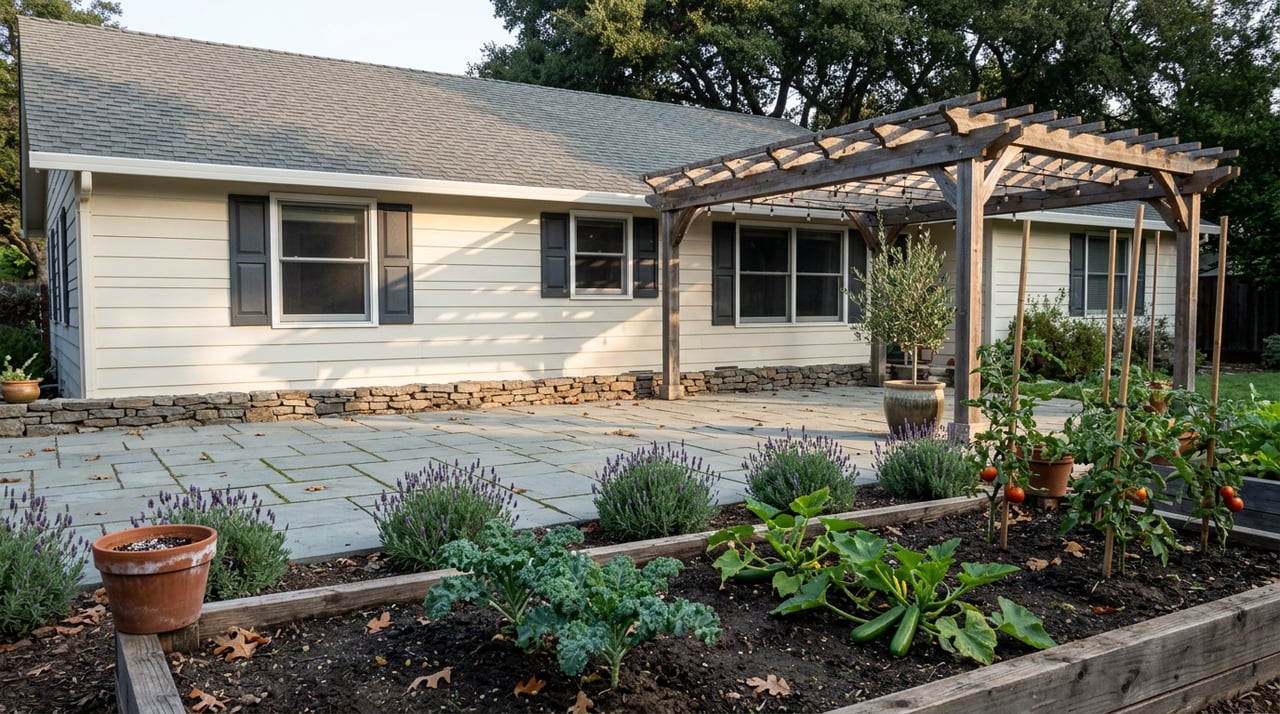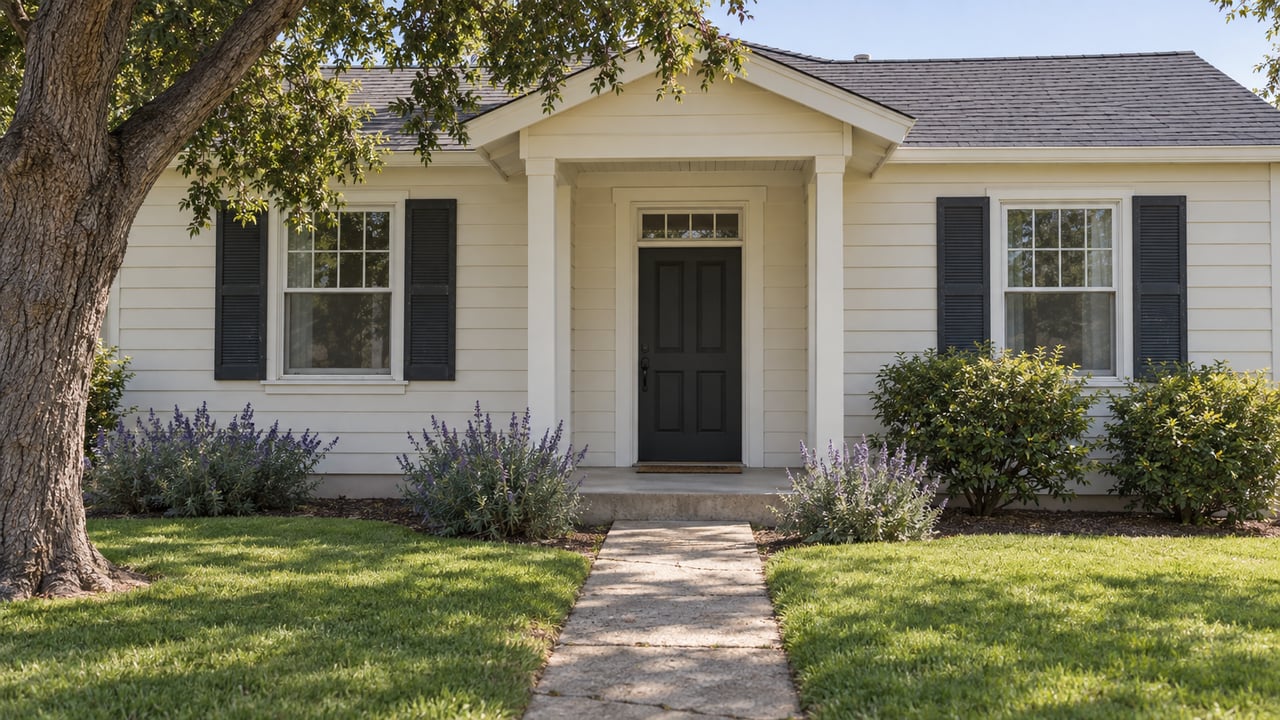
Two Petaluma houses closed at the exact same price recently: $1,050,000. Public sale records show one of them was a 1,254-square-foot home built in 1927, three bedrooms, two bathrooms, sitting on a lot just over a twentieth of an acre across the street from Petaluma High School. It had been listed at $990,000 and sold in 31 days at 106 percent of asking. The other was a 2,208-square-foot home built in 1991, four bedrooms, three bathrooms, on a lot nearly two and a half times the size, in a neighborhood near Sonoma Mountain with easier access to Highway 101 and a few minutes from Lucchesi Park.
Same price. Almost nothing else in common. That gap is the whole story of buying in Petaluma right now, and it has less to do with taste than with which side of town still has room to build.
The Number That Split in Two
Petaluma's citywide median sale price came in at $900,000 over the three months ending June 2026, down about 2.2 percent from the same period a year earlier. That's the number most buyers see first on a portal search, and it reads like a market that's cooling slightly.
West Petaluma tells a different story. Sale prices there ran around $1.23 million over the three months ending in July 2026, up roughly 37.6 percent from a year earlier, with homes selling in about 31 days and multiple offers common enough that hot listings closed around 11 percent over asking in as little as 12 days. In March 2026, Downtown Petaluma's median landed even higher, near $1.406 million, against a citywide figure of $880,000 that same month. Meanwhile Southeast Petaluma and Northeast Petaluma, both on the newer side of the city, sat closer to $799,000 and $833,000 in that same March snapshot.
One median. Two markets moving in opposite directions.
Why the West Side Ran Out of Room
The obvious explanation is charm, and West Petaluma has plenty of it. The Oakhill-Brewster Historic District, just northwest of downtown, holds homes dating from the 1850s through the early 20th century. The A Street Historic District is a tight cluster of residences, churches and small apartment buildings built mostly before 1925. But charm doesn't set a price by itself. Scarcity does.
Most of the land on the west side of the river was subdivided and built out decades ago. When a rare vacant, buildable parcel does hit the market there, it gets marketed accordingly. One listing for one of the last remaining lots in a walkable, established West Side neighborhood described the site plainly: no new supply. That's not a sales pitch so much as a fact about the map. There isn't a pipeline of new west-side construction competing for buyer attention, so every home that does trade is a fixed asset in a shrinking pool, and buyers bid accordingly.
The East Side's Pressure Valve
East Petaluma is playing a different game. It has more room, later development, and fewer built-out historic blocks standing between a builder and a permit. The city's East Washington and Copeland corridor has seen several mixed-use and multifamily proposals move through in recent years, the kind of broader redevelopment pipeline the west side of the freeway doesn't really have.
Even the exception on the west side proves the point. One of the last multi-parcel vacant sites in a West Petaluma neighborhood recently cleared city approval for up to 16 homes on land zoned R2, using California's SB 1123 and SB 684 streamlining laws to get by-right approval and a CEQA exemption instead of a years-long hearing process. The listing marketed the parcel around its own scarcity, describing itself as one of the only remaining lots in a walkable, affluent neighborhood with no new supply. It took a state upzoning law to squeeze meaningful housing count out of the last buildable acre in that part of town. That's a different situation than East Petaluma, where corridor-level redevelopment is adding supply without needing a single leftover parcel to do all the work.
None of this makes East Petaluma cheap. Northeast Petaluma homes were still going for about 2 percent over list and pending in around 22 days as of recent tracking, and hot homes there moved even faster. But new supply acts like a release valve on price growth in a way West Petaluma's built-out core can't match. When a market can build its way to more inventory, it doesn't need the same bidding intensity to clear.
What Each Side Actually Offers, Beyond the Zoning Map
The zoning story explains the price gap, but it isn't the whole reason people pick a side. West Petaluma sits close to Helen Putnam Regional Park and its network of trails, an easy walk or bike ride to the Petaluma Marina and the Great Petaluma Mill, and on the route for events like the Butter and Egg Days Parade downtown. It's also the older grid: narrower lots, mature trees, and a housing stock where a 1915 or 1927 build is common rather than notable.
East Petaluma has Lagunitas Brewery and the surrounding Brew District, Lucchesi Park and Sunrise Park for sports fields and open space, and a more direct shot to Highway 101 and Santa Rosa Junior College. The lots tend to be larger, the floor plans newer, and the architecture leans toward the 1980s and 1990s builds that make up a lot of that $1,050,000 comparison home.
Neither side is the upgrade path from the other. They're built for different daily patterns, and the price data is really just tracking how much competition exists for a limited version of one pattern versus a still-expanding version of the other.
What This Means If You're Comparing Both Sides Now
A few things worth keeping in mind if you're weighing east against west this fall.
Small submarkets swing hard on small numbers. A 37.6 percent year-over-year jump in a neighborhood-level median usually means a handful of expensive historic-home sales moved the needle, not that every west-side house appreciated by that amount. Look at actual comparable sales on a specific block before anchoring to a neighborhood-wide figure.
The supply gap is structural, not seasonal. West Petaluma isn't going to loosen up because rates ease or because a new listing season starts. There's no meaningful vacant land left in the historic core, so the west side will keep behaving like a fixed-supply asset regardless of what the broader Sonoma County market does.
East Petaluma's upzoning pipeline is worth tracking, not just for the townhomes and infill lots themselves, but for what they signal about future inventory. If you're deciding between a west-side home now and an east-side option a year from now, the east side is more likely to have new competing product enter the market in that window.
Quick Answers
Is West Petaluma always going to cost more than East Petaluma? Recent data supports that pattern, with west-side prices running well above the citywide median in both March and July 2026 snapshots, but the gap has varied year to year and can move sharply based on which specific homes sold in a given quarter.
Does East Petaluma's new construction make it a safer long-term buy? New supply tends to moderate price growth rather than guarantee it. It gives buyers more choices and more recent comparable sales to price against, which is a different kind of value than west-side scarcity.
Are there still lower-priced opportunities on the West Side? Occasionally, mostly on smaller lots or homes needing work, since the historic housing stock varies in size and condition even within a small area. Those opportunities tend to move quickly given how limited west-side inventory is overall.
If you're trying to figure out which side of Petaluma actually fits your search, or what a specific west-side or east-side home is really worth against recent comparable sales, Mark Spaulding can walk through the numbers with you street by street. Get Your Instant Home Valuation to see where your Petaluma property lands in this divided market.