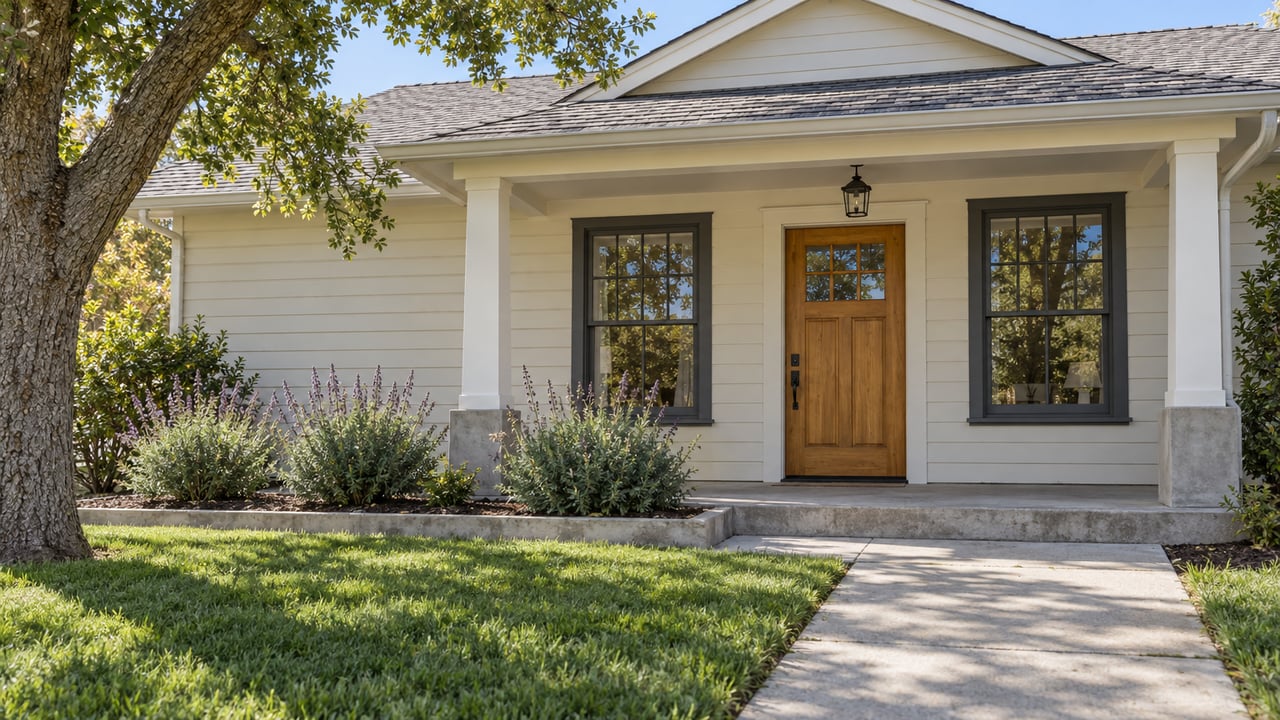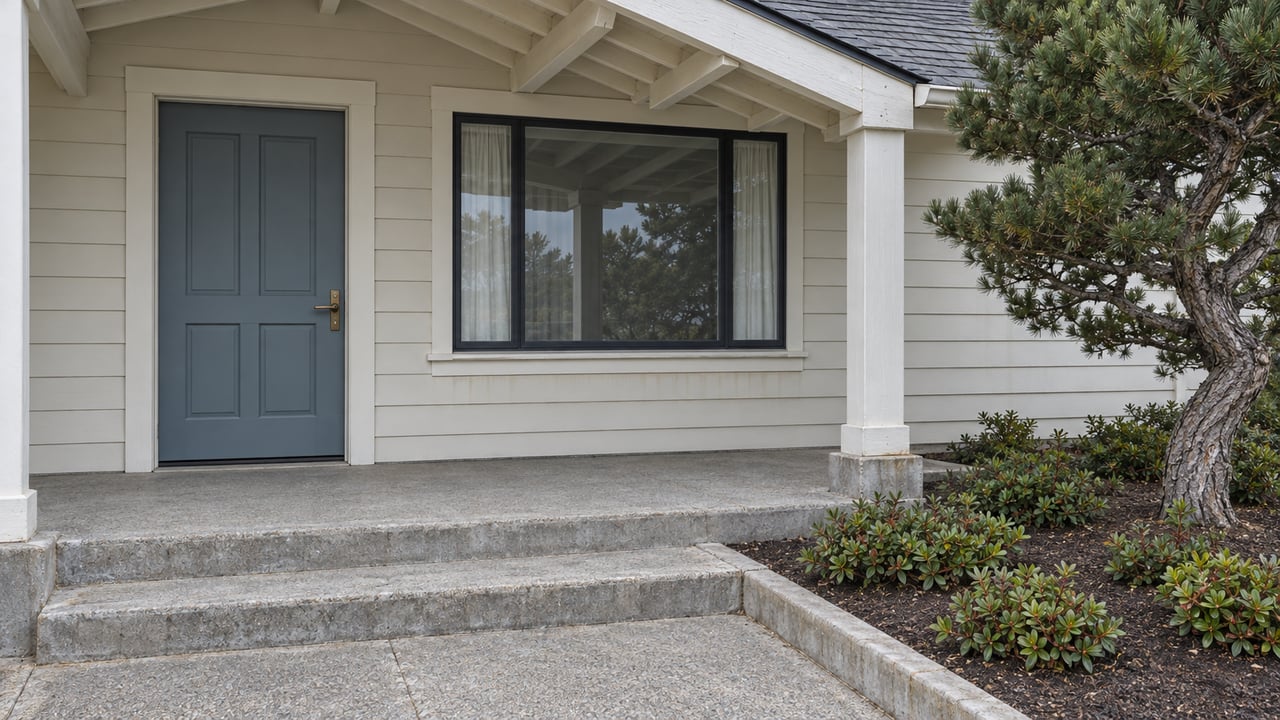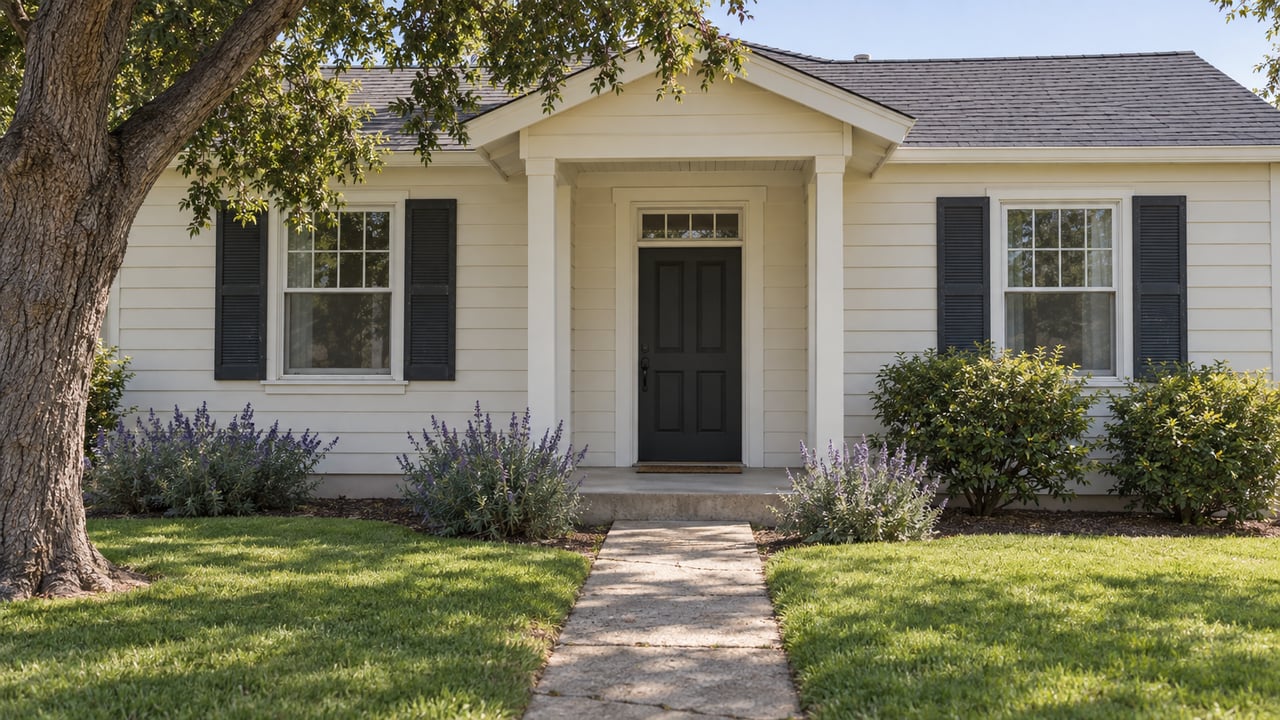
Why would two four-bedroom homes in Santa Rosa, built the same year and listed for nearly the same price, take completely different paths to closing day? One buyer gets a standard insurance quote back within a week. The other spends a month bouncing between the California FAIR Plan, a supplemental policy, and a lender who wants proof the roof meets wildfire building code before the loan contingency comes off.
The 2017 Tubbs Fire and the insurance changes taking effect this fall are part of the context for comparing these homes.
One fire, two very different rebuilds
The Tubbs Fire destroyed 1,422 homes in Coffey Park and more than 1,500 in Fountaingrove, more than any other single neighborhood in Santa Rosa. Both communities lost roughly a comparable share of their housing stock. Both rebuilt. And both now market themselves, accurately, as home to some of the newest housing stock in the city.
What split them apart wasn't the fire. It was the ground underneath it.
Coffey Park sits on flat, gridded, fully developed terrain. When homeowners rebuilt, they largely rebuilt on the same footprints, with the same lot sizes, on streets that already had sidewalks, sewer lines, and a clear address. More than 50 different builders contributed to that recovery, and pricing across those rebuilt lots converged quickly because the underlying land was so uniform.
Fountaingrove is a hillside neighborhood carved into terrain that ranges from a fifth of an acre to well over an acre, some parcels with golf course frontage, some still carrying a bare foundation from a house lost in 2017. Nine years later, some of those hillside lots remain vacant, still listed as buildable opportunities rather than finished homes. Rebuilding has proceeded parcel by parcel, with site conditions and costs varying across the hillside.
What "newer construction" doesn't tell an insurer
Here is the part most cross-shopping buyers miss. A newer build date does not automatically mean easier insurance.
California's FAIR Plan, the state's insurer of last resort, rates a property on location and vegetation exposure alongside construction age. A hillside lot's brush score can outweigh the benefit of a home finished last year. Documented wildfire hardening, not simply a recent certificate of occupancy, is what actually moves the premium. Fire Hazard Severity Zone status is assigned parcel by parcel, not by neighborhood name, so the honest answer for any specific address depends on where that address sits on the map, not on when the house was framed.
That distinction shows up in the numbers. National listing aggregators tracked in early 2026 put Fountaingrove's neighborhood median anywhere from roughly $1.24 million to $1.7 million, depending on the data window used, a range wide enough that a single median number tells you almost nothing about what a specific lot will cost. In February 2026, Fountaingrove homes were listed at a median of $1.49 million, down from the year before, with homes in the neighborhood averaging 81 days on market against a national average of 53 days.
Coffey Park tells a steadier story. This year, individual listings on streets like Coffey Meadow Place and Crestview Drive have priced in the high $700,000s to high $800,000s for comparable four-bedroom homes, well below Fountaingrove's band for a similar size and age of construction. The table below puts those listing figures alongside other factors buyers may want to compare.
| Fountaingrove | Coffey Park | |
|---|---|---|
| Terrain | Hillside, lot sizes from a fifth of an acre to over an acre | Flat, gridded, rebuilt largely on original footprints |
| 2026 price signal | Median near $1.49M (Feb. 2026 listings), down year over year | Individual listings this year in the high $700Ks to high $800Ks |
| Days on market | Averaging 81 days neighborhood-wide, versus a 53-day national average | Not separately tracked, but the neighborhood functions as an ordinary, active resale market |
| Insurance path | Often requires FAIR Plan quotes, a supplemental policy, and lender review of Wildland-Urban Interface standards | Frequently qualifies for standard-market coverage inside a week |
| 2026 infrastructure status | Custom rebuilds continue lot by lot | Ground broken on $4.7M Hopper Avenue corridor rebuild, one of the last fire-recovery projects in the city |
Fire Hazard Severity Zone designation is set parcel by parcel. A specific Coffey Park address and a specific Fountaingrove address should each be checked individually, not assumed from the neighborhood name.
The clock that starts after your offer is accepted
Picture two nearly identical four-bedroom houses listing this month for close to the same price. One sits in Fountaingrove. One sits in Coffey Park. Both were built within the last several years. Both photograph well. A buyer comparing them side by side sees two similar homes competing for the same budget.
What that comparison misses is what happens after the offer is accepted.
The Coffey Park purchase often moves on an ordinary timeline. A standard-market insurance quote lands inside a week, the lender processes it like any other file, and the closing date holds.
The Fountaingrove purchase can require several rounds of insurance shopping, a call to the FAIR Plan, and a lender who needs documentation that the home meets Wildland-Urban Interface construction standards before the financing contingency comes off. None of that is a red flag on the house itself. It is simply the underwriting process a hillside, high-brush-exposure property goes through that a flat, low-exposure property does not.
Same city. Similar price bracket. A very different path to the closing table.
The bill arriving October 15
For anyone currently on the FAIR Plan or shopping in a zone likely to need it, the approved rate change is relevant to insurance-cost planning. The California Department of Insurance approved a statewide average rate increase of 29.1% for FAIR Plan dwelling policies, effective for new and renewal policies on October 15, 2026. The plan had originally requested 35.8%. The increase is weighted toward the wildfire portion of the premium, meaning the highest-risk homes see the largest jump while some lower-risk policyholders could see a decrease. Some wildfire-zone premiums are expected to double.
For a buyer comparing a Fountaingrove hillside listing against a Coffey Park flat-lot listing this fall, that is not background noise. It is a number worth pricing into the offer before the contingency period runs out, not after. Requesting a written insurance quote during due diligence, rather than assuming coverage will simply transfer the way it does on a standard suburban resale, has become the difference between a smooth close and a scramble.
Hopper Avenue and ongoing recovery work
Public works have also remained part of the Tubbs Fire recovery story.
This spring, Santa Rosa broke ground on a $4.7 million rebuild of Hopper Avenue, the corridor connecting Coffey Park to Highway 101 that was severely damaged during the debris removal operation that followed the Tubbs Fire, at the time the largest such cleanup in California since the 1906 San Francisco earthquake. The contract, awarded to Argonaut Constructors and partly funded through the city's fire settlement with PG&E, adds landscaped medians, buffered bike lanes, new sidewalks, and a pedestrian crossing near Piner Creek. It's paired with a separate rebuild of Calistoga Road in Rincon Valley, and together the two projects total more than $17 million. City officials and neighbors marked the milestone in April, nearly nine years after the fire, and the work is described as one of the last recovery-era public works projects tied to that event.
That public-works milestone offers a contrast with Fountaingrove, where terrain and construction costs continue to shape rebuilding.
What this means before you write an offer
Neither neighborhood is a wrong choice. Fountaingrove offers golf course frontage, hillside views, and proximity to the Fountaingrove Club that Coffey Park's flat grid simply does not replicate. Coffey Park offers a rebuilt, walkable, sidewalk-lined community with quick freeway access and a price band that keeps more of a budget in the bank.
The mistake is treating the listing price as the whole comparison. Before writing an offer on either street, ask for a written homeowners insurance quote specific to that parcel, ask whether the property has ever been checked against current Fire Hazard Severity Zone maps, and ask your lender directly whether Wildland-Urban Interface documentation will be required before your contingency period ends. Those three questions surface the real difference between these two neighborhoods faster than any median price ever will.
FAQ
Does a newer home in Fountaingrove automatically get cheaper insurance than an older one nearby? Not automatically. The FAIR Plan's rating engine weighs location and vegetation exposure alongside construction age, so a hillside lot's brush score can outweigh the benefit of new construction. Documented wildfire hardening is what actually moves the premium, not the build date alone.
Is Coffey Park in the same fire hazard zone as Fountaingrove? Fire Hazard Severity Zone status is set parcel by parcel, not by neighborhood name. Coffey Park's flat, developed terrain generally carries a different brush exposure profile than Fountaingrove's hillside lots, but the accurate answer for any specific address comes from checking that parcel directly.
If you are weighing a Fountaingrove hillside lot against a Coffey Park rebuild, or anywhere else in Sonoma County, the numbers on a listing page only tell part of the story. The Spaulding Group walks buyers through the insurance and underwriting questions before an offer goes in, not after. Get Your Instant Home Valuation to see where your budget actually lands in today's market.
This article is general information, not legal, tax or financial advice. Consult a qualified professional about your situation.